
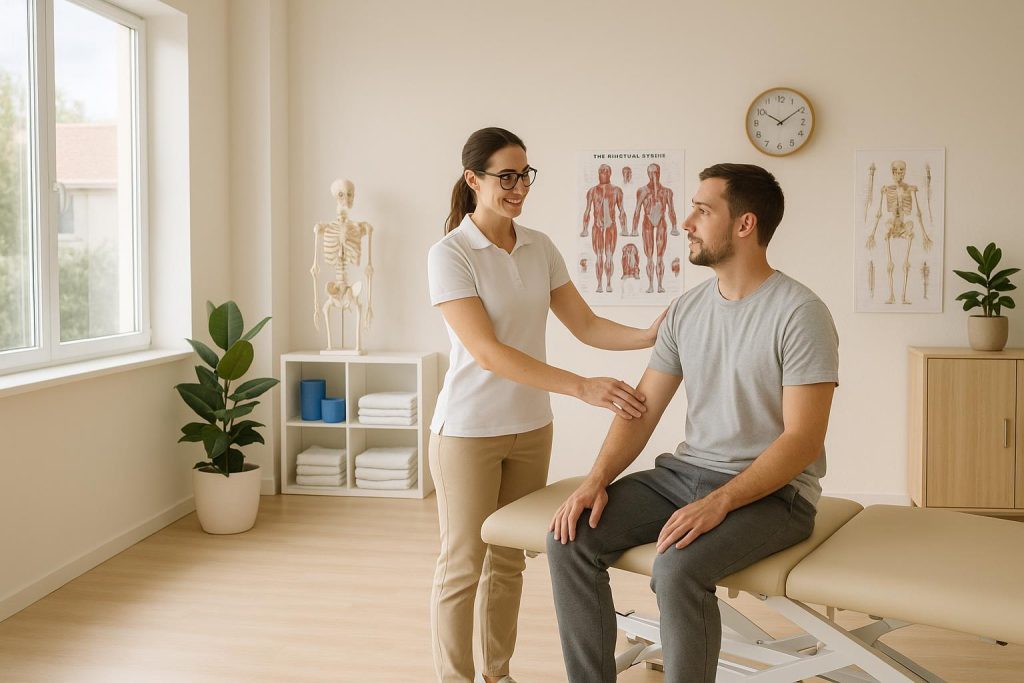
Understanding Pelvic Floor Assessments
The pelvic floor plays a vital role in supporting your bladder, uterus (if applicable), and rectum. Yet, many people are unsure about how healthcare professionals actually evaluate this set of muscles and tissues. In most cases, the most reliable way to check the pelvic floor is through an internal examination. This process offers healthcare providers insight into the strength, coordination, and health of the muscles. Not everyone is a candidate for this procedure right away—new mothers or those recovering from surgery might need to wait. Still, it is often considered the most effective way to truly understand what is happening with the pelvic floor.
In this guide, we’ll explore the importance of pelvic floor exams, what to expect during the process, and how professionals tailor care to different circumstances. We’ll also outline alternatives for people who cannot undergo an internal exam and discuss why it’s worth consulting a healthcare provider if you’re concerned about your pelvic floor.
What is the Pelvic Floor?
The pelvic floor consists of layers of muscles and connective tissues located at the base of your pelvis. These muscles work together to hold your pelvic organs in place and help with bladder control, bowel movements, and sexual function. When these muscles are functioning properly, you typically don’t even notice they’re there. But when there are problems—such as weakness, tension, or poor coordination—individuals may experience symptoms like:
- Urinary incontinence (leaking urine when you cough, sneeze, or laugh)
- Pelvic pain or discomfort
- Lower back pain
- Constipation or other bowel issues
- Discomfort during intercourse
Pelvic floor assessments are designed to get to the root cause of these issues by allowing a trained professional—often a physiotherapist or other specialized healthcare provider—to feel how the muscles respond when contracted or relaxed.
Why an Internal Examination?
As mentioned, the most direct way to diagnose pelvic floor issues is an internal exam. This hands-on approach lets the examiner gauge muscle strength and detect any tenderness or scar tissue. The provider can also identify the presence of muscle spasms or see if certain movements worsen your discomfort.
While the idea of an internal examination can feel intimidating, it’s important to remember it’s a helpful diagnostic tool. Professionals who perform these exams generally receive specialized training in pelvic health, with a focus on ensuring you feel comfortable and informed at every step. They begin by explaining what will happen, why each step is necessary, and how you can communicate any discomfort during the process.
Exploring Informed Consent and Comfort
Before any pelvic floor assessment takes place, you must give informed consent. This means your healthcare provider will explain what the exam involves, how it addresses symptoms, and any potential alternatives. You have the right to ask questions, voice concerns, and opt for a different approach if you’re uncomfortable with the idea of an internal exam.
Many people feel nervous about the procedure. If that applies to you, consider some of the following tips to make it less daunting:
- Ask questions: Understanding the procedure can ease a lot of the tension. Ask your provider to clarify each step in detail.
- Use relaxation techniques: Simple techniques like deep breathing and consciously relaxing the pelvic muscles can help reduce discomfort.
- Set the pace: Don’t be afraid to schedule extra time or request breaks during the exam if you feel any kind of strain.
- Body positioning: Speak up if you find certain positions uncomfortable—professionals can adapt your position to make it easier.
The main goal of an internal exam is to discover how your muscles operate. If you’re too tense, it can be challenging for the provider to get accurate information about your pelvic floor. That’s why open communication is key.
When an Internal Exam May Not Be Possible
Certain life events or health conditions may temporarily make an internal exam unfeasible or uncomfortable. Two common situations include:
- Recent childbirth: Many providers recommend giving yourself at least six weeks postpartum before undergoing an internal pelvic exam. Immediately after childbirth, the tissues in this area are sensitive, and you may still be experiencing bleeding or tenderness.
- Post-operative healing: If you’ve recently had surgery, your doctor might advise waiting until the incisions or internal tissues have healed sufficiently to tolerate an exam. Attempting an internal exam too soon can disrupt the healing process.
Other instances can also arise: for instance, if you have an active infection, significant pelvic pain, or a trauma history that makes internal exams emotionally distressing. In these cases, practitioners can take an alternative approach to help evaluate the pelvic floor. For example, an external exam of your pelvic region, along with pelvic ultrasound imaging, may offer some insights. While such methods don’t always provide as much detail, they can guide early intervention or help in designing a preliminary care plan.
Steps Involved in an Internal Examination
Each clinic might have variations in their approach, but most pelvic floor exams follow a similar pattern:
- Health and history review: Your provider asks about your symptoms, medical background, and any recent major life events—like childbirth or surgery. This step ensures they tailor the exam to your personal experience.
- External observation: Sometimes, the professional will start by observing the external areas for signs of irritation or abnormality. This external inspection helps identify issues like redness, lesions, or any obvious muscular imbalance.
- Internal examination: With proper consent, the provider gently inserts a gloved finger (or two) into the vagina or rectum, depending on the situation. They then ask you to contract or relax your pelvic floor muscles so they can feel how well they engage. They check for tightness, pain, or difficulty sustaining contractions.
- Strength grading: Pelvic floor muscle strength is often graded on a scale that takes into account how long you can hold a contraction and how much force you can generate. This step helps track progress in future sessions.
- Discussion of findings: After the exam, your provider will share notes on muscle strength, coordination, any pain points, and how these factors may contribute to your symptoms. This discussion is critical for creating a targeted treatment plan that addresses your specific concerns.
Potential Alternatives
Not everyone can or wishes to undergo an internal examination. Though internal exams remain the gold standard for capturing important details, alternatives exist:
- External palpation: The provider might press lightly on the lower abdomen and pelvic area to feel the outward signs of muscle activation or tension.
- Biofeedback therapy: Biofeedback machines use sensors on the skin near the pelvic floor muscles to measure levels of tension and relaxation. Although less precise than an internal exam, biofeedback can still reveal patterns in muscle activation.
- Ultrasound imaging: An ultrasound can show the movement of pelvic floor muscles when you contract and relax, offering some indication of how the muscles are functioning.
These options may not capture every detail, but they can at least highlight problematic patterns and guide initial recommendations for exercises or therapies.
What Happens After the Examination?
Once your provider has gathered information about your pelvic floor, you’ll usually move on to a plan aimed at strengthening or relaxing those muscles, depending on what was found. You might receive exercises to do at home, such as Kegels or relaxation techniques. These exercises can improve core stability, address urinary incontinence, and reduce pain.
If weakness is detected, you might focus on exercises that help build and sustain muscular strength. This often includes progressive movements where the difficulty level increases as you become more capable. If, on the other hand, your pelvic floor muscles are too tight or overactive, you could be advised to practice relaxation exercises, breathwork, and gentle stretches that encourage the muscles to let go of undue tension.
Pelvic floor health doesn’t just revolve around exercises. It’s about a whole-person approach, incorporating lifestyle modifications like proper posture, stress management, and nutrition, which can boost muscle function. If you’re facing issues that extend beyond muscle health—like anxiety related to postpartum recovery or stress-induced muscle tension—some providers might suggest complementary modalities. For instance, you could speak with a psychologist or seek out massage therapy if your muscle tightness is linked to stress. In certain clinics, these services are offered under one integrated approach to further support mental and physical wellness.
Incorporating Physiotherapy
If you need support with pelvic floor concerns, physiotherapy can be a valuable solution. During treatment, a physiotherapist who specializes in pelvic health will guide you through exercises and techniques to build muscle awareness. Over time, this promotes better bladder control, fewer episodes of pain, and improved physical performance. Early intervention and consistent follow-up are key to seeing sustainable results.
Special Considerations for New Mothers
Childbirth places unique strain on the pelvic floor, and many new mothers are understandably concerned about how to protect and rebuild this area of the body. That’s where a specialized postpartum pelvic floor assessment can help. Around six weeks postpartum is a common interval for an initial check. However, if you need more time—either due to complications or your personal comfort level—that’s acceptable too. It’s important to balance rest, healing, and early intervention for optimal long-term outcomes.
When you do decide to get examined, your provider will pay special attention to areas that might have been stressed during delivery, such as the perineum or nearby muscles that were stretched or torn. If you have stitches or a healing incision, you’ll want to ensure it’s fully healed before proceeding with an internal exam. Even then, you can still explore external assessments or gentle exercises to start building awareness of the pelvic floor muscles.
Supporting Long-Term Pelvic Health
Effective pelvic floor care isn’t a one-time event—it’s a continual process that might involve:
- Regular follow-up appointments to monitor improvements and modify exercises if needed
- Addressing lifestyle factors like diet, fluid intake, and exercise routines to support a healthier pelvic floor
- Learning strategies to manage stress that influences pelvic muscle tension
- Collaborating with other healthcare professionals, if you have related issues like lower back pain or persistent anxiety
All these elements can help you achieve real progress and sustain long-term improvements. By consistently working on pelvic floor awareness—knowing when to engage and when to relax—you can reduce the risk of injury and recurrent issues.
Seeking Professional Insight
If you’re experiencing symptoms that could be tied to pelvic floor dysfunction—such as incontinence, lingering pain, or changes in sexual function—don’t wait for them to worsen. Reaching out to a professional for a pelvic floor exam can set you on a path toward improved well-being and whole-person health. An accurate assessment will give you clarity about what’s happening in your body, help guide your treatment plan, and provide you with personalized care to suit your lifestyle.
While an internal exam may not be the right choice for everyone at every stage, many people find it an invaluable tool for uncovering hidden issues that external tests alone might miss. Prioritizing your pelvic floor is one of the best ways to ensure comprehensive care. Whether you’re a new mother wanting to rebuild strength or someone dealing with unexplained pelvic pain, a thorough exam can be part of your road to recovery and performance.
Next Steps and Personalized Care
If you’re concerned about your pelvic health, talk to a specialist about whether a pelvic floor exam is right for you. With your provider’s guidance, you can discover the best strategies for strengthening these muscles or relieving any tension you might have. Consider exploring physiotherapy if you need ongoing support for personalized care. A professional insight can lead to a more targeted plan, helping you move forward with confidence.
By taking proactive steps and focusing on professional guidance, you’re giving yourself—and your pelvic floor—the best chance at a healthier, more comfortable life. Over time, dedicated work on your pelvic floor can translate into better posture, fewer disruptions in your day-to-day activities, and a renewed sense of control over your body and well-being. Every person’s journey is different, but understanding how pelvic floor assessments work is the first step toward effective, compassionate care.