
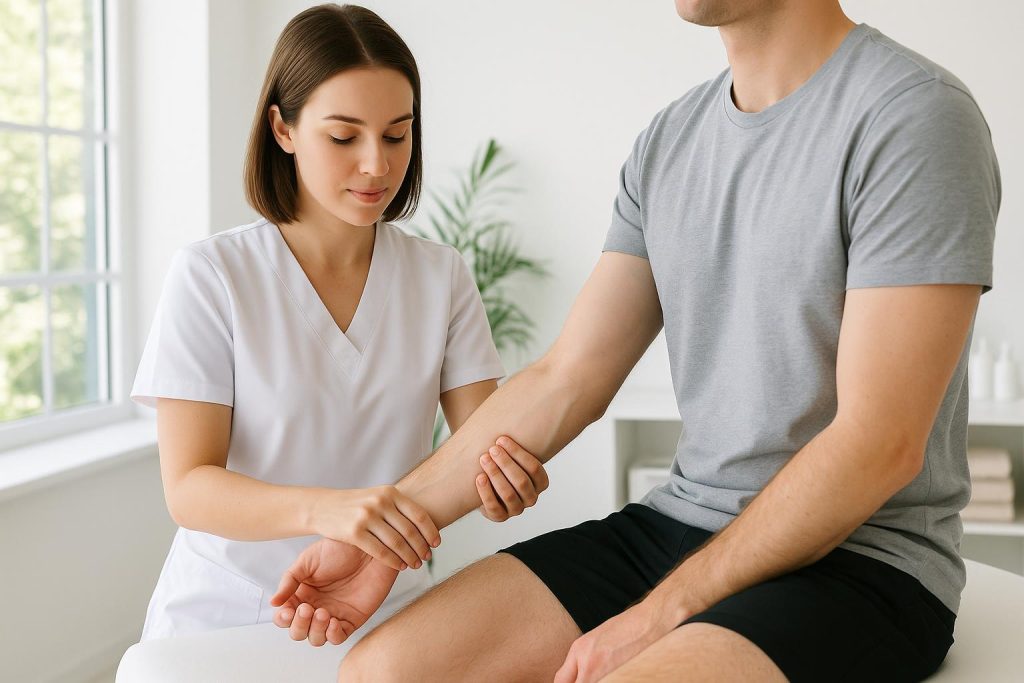
Understanding How Massage Therapy Can Help Alleviate Tennis Elbow
Tennis elbow, also known by its medical name “lateral epicondylitis,” is more than just an inconvenience for active individuals. It is a common condition that arises from repetitive strain or overuse of the muscles and tendons in your forearm, especially those responsible for extending your wrist and fingers. While the term “tennis elbow” might make it sound like a problem exclusive to tennis players, it can affect anyone who frequently engages the wrist and forearm in a repetitive manner—whether that’s typing, playing certain sports, or working a job that requires repeated arm movement. This discomfort can become a big obstacle to everyday tasks if left unaddressed. Fortunately, Massage Therapy can provide meaningful relief as part of a personalized treatment plan.
In this comprehensive guide, we will discuss how massage therapy fits into an integrated approach for managing tennis elbow. You’ll discover the techniques most commonly used, the benefits of combining massage with other therapies such as physiotherapy, and how consistent self-care can make a positive difference in your healing journey. Our goal is to give you trusted guidance and professional insight so that you can make an informed decision about your care plan. Whether you’re carrying groceries, lifting a racket, or simply typing, you have the power to recover and perform daily activities with greater comfort.
What Is Tennis Elbow?
Before diving into the role of massage therapy, let’s clarify what tennis elbow actually is. Tennis elbow typically shows up as pain on the outer part of the elbow, sometimes radiating down the forearm. This form of irritation can lead to weakness in grip strength, tenderness, and a lingering ache that worsen with certain activities. Although the name suggests it only affects tennis players, painters, mechanics, carpenters, and people who work on computers frequently also experience tennis elbow. It’s often a result of repetitive wrist extension or gripping actions that place constant stress on the forearm muscles. Over time, this stress can lead to small tears in the tendon tissue, resulting in pain and inflammation.
The condition is generally manageable, especially when recognized early. The key is seeking an integrated approach that blends rest, manual therapy, strength exercises, and in some cases, other forms of treatment like chiropractic adjustments. Massage therapy plays an important role in this mix. Massaging the affected area can help release tension, improve circulation, and promote healing where your body needs it most. When combined with other techniques and professional insight, real progress toward recovery and performance becomes achievable.
Why Massage Therapy for Tennis Elbow?
Massage therapy focuses on relieving tension in soft tissues—particularly muscles, tendons, and fascia. When it comes to tennis elbow, the targeted application of several massage techniques can help decrease swelling and inflammation in the forearm, ease muscular knots, and improve flexibility. Furthermore, massage encourages your body’s natural circulation processes, delivering nutrients to the tissues while eliminating waste products more efficiently. With optimal blood flow, tissues can repair themselves faster, leading to improved comfort, range of motion, and functionality.
By receiving compassionate care from qualified massage therapists, you’re not simply enjoying relaxation. You’re getting targeted relief for your forearm. Athletes often rely on massage therapy to alleviate stress on their overworked muscles. However, you don’t have to be an athlete to find value in therapeutic touch. Whether you’re an office worker, a DIY enthusiast, or any individual seeking whole-person health, massage therapy meets you where you are, providing personalized care for your unique needs.
Key Massage Techniques Used for Tennis Elbow
Many massage therapists use a variety of approaches to provide targeted relief and promote healing. Below are some of the common techniques they may employ:
- Cross-Fiber Friction Massage: This involves applying pressure across the grain of the muscle fibers. By doing so, it helps break down adhesions or scar tissue that contribute to stiffness and discomfort in the tendon area. Cross-fiber friction also supports better mobility in the forearm.
- Trigger Point Therapy: Trigger points are tight spots in muscle tissue that can refer pain to other parts of the body, including the elbow. By locating and applying pressure to these points, the therapist can help the muscles release tension and reduce pain in the elbow area.
- Myofascial Release: This focuses on releasing tension in the fascia, which is the connective tissue surrounding muscles and organs in your body. Gentle, sustained pressure on these tissues aims to restore mobility and decrease pain. Because fascia can become restricted due to injuries or repetitive strain, freeing it up is a key piece of your tennis elbow recovery.
Each of these techniques can be tailored to address your specific condition. A professional massage therapist will typically perform a thorough assessment of your arm’s mobility, tension levels, and pain points before deciding on the best course of action. The result is an approach that delivers targeted relief, helping you experience real progress without feeling overworked or overwhelmed during your sessions.
Combining Massage With Other Therapies
While massage therapy is an incredibly effective component of a tennis elbow treatment plan, it’s often even more beneficial when blended with other services. For instance, physiotherapy can work in tandem with massage to strengthen muscles weakened by activity restrictions and encourage gentle stretching exercises to boost range of motion. Chiropractic care can further support realigning the joints and spine, relieving any undue stress on the arm that might be inflaming your symptoms. When these methods are integrated, they offer a synergistic approach that significantly improves your overall quality of life.
This integrated approach is invaluable for your mental and physical wellness. Beyond physical benefits, feeling supported by a team of professionals can reduce stress levels and increase motivation to stay consistent with your therapy. You’ll find a sense of reassurance in having trusted guidance from various experts. Instead of hopping from one disconnected solution to another, you’re receiving expert support from a coordinated, holistic network of care. This synergy means fewer gaps in the healing process and a clearer path to regaining elbow strength and function.
What to Expect During a Massage Therapy Session
If you’re new to massage therapy, you might be unsure about what a session looks like for tennis elbow. Generally, your therapist will begin by asking about your current symptoms, activity level, and any recent changes in your pain. This conversation helps tailor your treatment plan. Next, you’ll lie comfortably on a massage table. Cushioning and supports can be adjusted to ensure you remain relaxed during the treatment.
The therapist will start with gentle strokes to warm up the tissue. Gradually, they’ll apply more focused pressure where tension and trigger points exist in the forearm, upper arm, and sometimes even the wrist. Remember, open communication is vital. If a certain area feels overly sensitive or if you prefer a lighter (or deeper) touch, let your therapist know. The goal is to provide you with relief, not to create additional discomfort.
During the session, certain strokes might feel slightly uncomfortable as knots and tight areas release. However, the general feeling should be one of relief and relaxation afterward. People often discover that movement becomes easier, and tasks like gripping or lifting feel more natural. As you progress, you may decide to schedule sessions on a consistent basis, such as once a week or every other week, particularly when your tennis elbow symptoms are pronounced or your lifestyle demands repetitive motion.
Tips to Maximize Healing Between Sessions
After a massage therapy session, anything you do to support muscle repair and reduce inflammation can speed up your journey to whole-person health. Here are a few self-care strategies to consider:
- Gentle Stretching: Engaging in light forearm stretches, especially after a warm shower or bath, can prevent tightness from returning too quickly. Be consistent, but don’t push to the point of pain.
- Cold and Heat Therapy: Alternating cold packs and warm compresses can help manage pain and encourage blood flow. Use cold therapy to reduce inflammation and heat therapy to relax muscles.
- Rest and Activity Modification: If certain movements aggravate your tennis elbow, try to modify or limit those activities until the inflammation calms down. For example, consider adjusting your desk setup or using ergonomically friendly tools.
- Supportive Braces or Straps: Some individuals wear a forearm strap or brace to help redistribute tension. While not a permanent solution, these can provide temporary relief during repetitive tasks.
- Stay Hydrated: Hydration plays a vital role in tissue health and muscle elasticity. Drinking enough water ensures you’re giving your body the resources it needs to recover.
By implementing these tips, you can extend the benefits of your massage therapy sessions and see real progress in both pain management and function. Healing doesn’t just happen within the walls of the clinic—your daily habits matter just as much.
When to Seek Additional Evaluation
Tennis elbow varies in severity from person to person. Mild cases might resolve with consistent rest, stretches, and a few massage therapy sessions, while more persistent or debilitating cases could require extra medical evaluation. If you notice swelling in the elbow joint, loss of function, or ongoing severe pain that doesn’t improve with conservative measures, it’s time to seek additional help. In such situations, it might be prudent to consult a physiotherapist or even a physician. Diagnostic tests like ultrasound or MRI can rule out other conditions that mimic tennis elbow.
Additionally, if your symptoms last longer than a few months or significantly affect your daily life, exploring advanced treatments like imaging-guided injections or specialized braces might be beneficial. That said, most people find that a consistent, integrated approach—which includes massage therapy—dramatically improves their recovery timeline.
The Role of Consistency in Recovery and Performance
One of the most important elements of addressing tennis elbow is consistency. Massage therapy, when used as a standalone treatment, can provide short-term relief from pain and tightness. However, if you continue practices that strain your forearm without making any adjustments, you risk ending up right where you started. A consistent approach ensures that each therapy session builds upon the progress of previous sessions. By scheduling regular sessions as recommended by your therapist, and engaging in targeted home exercises, you create an environment where tissues can heal properly.
Consistency also means giving your body room to rest. Pushing through pain may seem heroic, but it often creates more damage. Being patient and following a balanced plan of rest and activity can deliver the best path to long-term comfort and mobility in your arm. Remember, tennis elbow is usually a repetitive stress injury, so a cycle of overuse followed by incomplete recovery tends to perpetuate the problem. Consistency disrupts this cycle in a positive way.
How Our Integrated Approach Matters
At our clinic, we encourage the use of an integrated approach to tackle tennis elbow. This includes therapies such as Massage Therapy, physiotherapy, and chiropractic care if needed. When combined, these therapies help address multiple facets of your well-being. You receive compassionate care for your physical discomfort and a broader roadmap for preventing future injuries, which can include professional insight into activity modifications, posture advice, and muscle-strengthening exercises. This approach aims to boost both your recovery and performance.
Additionally, healing from a condition like tennis elbow can have mental and emotional challenges. Pain can be frustrating, and limitations in daily activities can affect your mood. That’s why we emphasize mental and physical wellness. If stress and frustration are part of your experience, talking to a mental health professional or practicing stress-management techniques can be helpful. Combining physical treatments with emotional support fosters whole-person health, helping you to feel more motivated and confident. Ultimately, an integrated approach is about personalized care that addresses the root cause, not just the symptoms.
Preventing Future Flare-Ups
Once you’ve recovered, you’ll want to minimize the chances of tennis elbow striking again. Preventive measures might include adjusting your workstation to ensure a healthier angle for your wrists and forearms. If you’re an athlete, investing time in proper warm-ups, stretching, and possibly refining your technique can make a significant difference. And of course, continuing with periodic massage therapy sessions, even after an acute issue subsides, can help maintain healthy muscle function.
Many individuals adopt a schedule of routine maintenance sessions—perhaps once a month—to keep chronic tension at bay. Such an approach can help you stay proactive. Rather than waiting for pain to resurface, you continually support your body’s needs, whether those needs stem from work, sports, or everyday living. Think of it as caring for a car or bicycle before a breakdown. Regular tune-ups keep everything running smoothly.
Taking the Next Step
Living with tennis elbow can be disheartening. Yet, it’s reassuring to know that it’s not a permanent issue when managed properly. Massage therapy can be a powerful ally in your recovery. When paired with other services like physiotherapy, a structured exercise program, and even chiropractic care if recommended, it has the potential to significantly reduce pain and restore function.
If you or someone you know is grappling with tennis elbow, consider exploring an integrated approach that combines compassionate care and expert support. By incorporating Massage Therapy into your wellness plan, you can experience real progress and move toward a healthier, more active lifestyle. With the right plan and consistent application, recovery doesn’t just mean feeling better in the short term—it means achieving lasting comfort and preventing recurrences. That’s trusted guidance you can rely on, enhancing both your recovery and performance in the long run.
Remember, you don’t have to push through ongoing soreness or wait for the condition to worsen. Embrace professional insight and discover what a targeted, integrated approach can do for you. Whether you need immediate relief from pain or seek a long-term strategy for whole-person health, massage therapy can help you move forward with greater ease and confidence.

