Supporting Muscle Health Through Massage: A Comprehensive Overview
Massage therapy has long been recognized as a valuable tool for enhancing muscle health, promoting relaxation, and supporting overall recovery and performance. From boosting blood circulation to increasing flexibility, massage offers a wide range of benefits that can help individuals cope with muscle tension, stress, and even persistent pain. Whether you are an athlete looking to push the limits of your performance or simply someone who wants to feel better in daily life, understanding how massage aids muscle function can encourage more informed decisions about your wellness routine. In this comprehensive guide, we will explore how massage therapy works on a physiological level, offer insight into the different types of benefits it provides, and detail why it remains such a popular component of whole-person health care.
1. A Look at Muscle Tissue and Its Needs
Before we delve into how massage helps, it’s helpful to understand what muscles need to function well. Muscles are composed of bundles of fibers that contract when triggered by the nervous system. These contractions help us move, lift objects, and maintain posture. However, when muscles are strained from inactivity, repetitive motion, or high-intensity training, they can develop knots, stiffness, or even micro-tears that lead to pain and fatigue.
Proper muscle function relies on several factors, including:
- Blood supply: Healthy circulation carries oxygen and nutrients to muscle fibers while removing waste products.
- Flexibility: The ability of muscle fibers to lengthen without injury supports range of motion and prevents strains.
- Recovery: Muscles need downtime and beneficial interventions, such as massage, to recover from daily activities or heavy workouts.
- Nervous system balance: Excess tension in muscles can be influenced by chronic stress, emotional factors, and poor alignment.
When any of these components are compromised, the muscle may become stiff, painful, and prone to injury. Massage therapy addresses many of these elements simultaneously, which is why it plays a central role in promoting greater wellness and physical comfort.
2. Improving Blood Circulation
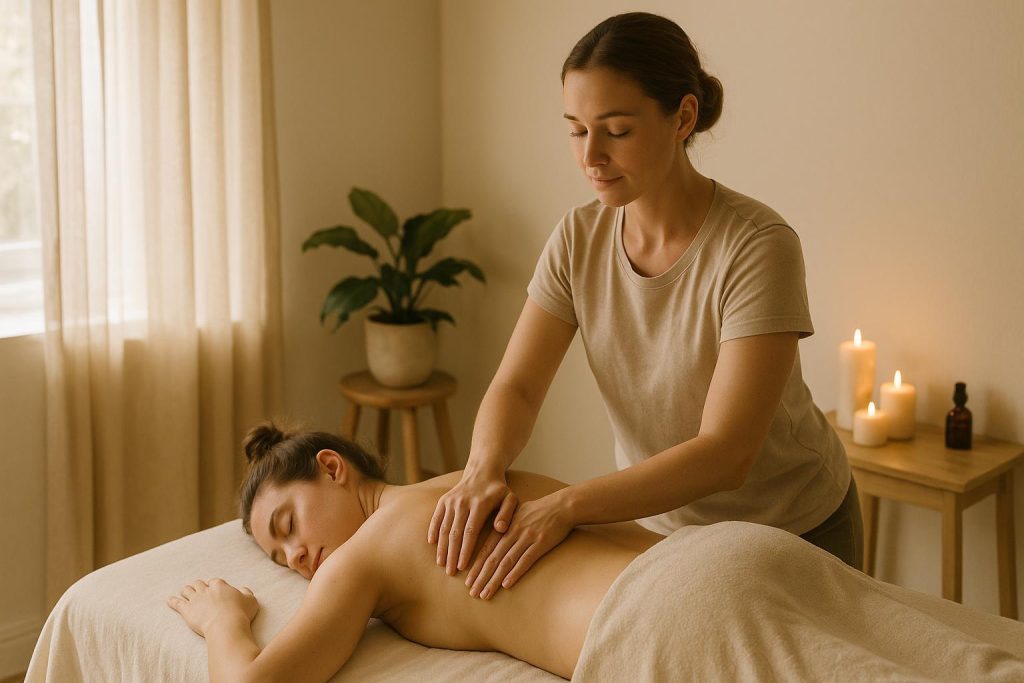
One of the most direct ways massage helps muscles is by increasing blood flow. Techniques such as effleurage (long, gliding strokes) and petrissage (kneading motions) mechanically encourage veins and capillaries to widen or relax, allowing more blood to reach muscle tissues. This elevated circulation brings added oxygen and important nutrients, helping to flush out metabolic waste products, like lactic acid, that build up during exercise or daily routines.
When circulation is improved, muscles are better able to recover from minor damage and maintain overall health. Over time, this enhanced blood flow can contribute to reduced muscle soreness, faster recovery after strenuous exercise, and a lowered risk of cramping or chronic tightness.
3. Alleviating Muscle Tension and Stiffness
Another significant benefit of massage therapy is its ability to relax tight muscles. Many people carry tension in their neck, shoulders, or lower back, which can lead to limitations in movement or chronic discomfort. During a massage, the repeated application of pressure, along with gentle stretching of the muscle tissue, helps break down adhesions—sometimes referred to as “knots.” These adhesions are often areas of contracted fibers that restrict mobility and cause pain.
By addressing these tight spots, a massage session can ease stiffness and restore elasticity to the muscles. This, in turn, makes everyday activities—from sitting at a desk to lifting groceries—less taxing on your body. It also helps to reduce the compensatory strain in surrounding areas, as muscles no longer need to brace against pain or limited range of motion.
4. Releasing Endorphins for Natural Pain Relief
Massage therapy contributes not only to the physical release of tension but also to the release of endorphins, the body’s natural painkillers. During a massage session, specific nerve receptors are stimulated, triggering your central nervous system to release these feel-good chemicals. Endorphins help lessen discomfort, elevate mood, and create a sense of tranquility. As a result, many people leave a massage session feeling both physically and mentally refreshed.
This reduction in pain perception can be particularly helpful for individuals who live with chronic muscle soreness or conditions that amplify discomfort. The natural rush of endorphins provides relief without the need for medications, enhancing mental well-being and reinforcing a strong mind-body connection.
5. Breaking Down Scar Tissue and Adhesions
Scar tissue often develops after muscle injuries, including sprains, strains, or surgery. While scar tissue is the body’s way of healing, it can be tough and inflexible, leading to restricted motion and lingering aches. Massage therapy helps soften or break down this dense tissue by applying direct pressure and friction. When done properly, it encourages the reorganization of collagen fibers within scar tissue, thereby making the muscle more pliable.
Over time, these targeted massage techniques can create an environment where injured muscles heal more efficiently. This may result in fewer flare-ups or recurring episodes of pain, as well as a more complete return to normal movement patterns. For many people, this is key to resolving chronic muscle issues that have not responded to rest alone.
6. Enhancing Range of Motion and Flexibility
Everyday activities, from picking up objects on the floor to reaching for a top-shelf item in the kitchen, rely on muscles that can move through their full range. Unfortunately, muscle knots and connective tissue restrictions can stop you from accessing that range of motion. During a massage, therapists work on elongating muscle fibers and gently mobilizing joints.
This approach helps restore flexibility by easing tension and improving the slide-and-glide between tissues. As a result, you experience a more natural, unrestricted feel in your shoulders, hips, or whichever area was tight before. This flexibility can be valuable for athletes who need top mobility for better performance, as well as for older adults aiming to keep everyday tasks manageable and comfortable.
7. Preventing Injuries and Supporting Active Lifestyles
Whether you participate in high-impact sports, maintain a vigorous workout schedule, or simply enjoy regular walks, muscle health is essential for staying active without pain. Massage can help prevent injuries by improving muscle flexibility, balancing tension patterns, and supporting proper alignment. When tightness in one area is resolved, you reduce the risk that another muscle will be overworked to compensate.
For instance, an overly tight hip flexor could compromise your running form, possibly leading to issues in the knee or lower back. By consistently addressing tension with massage and other supportive treatments, you keep diverse muscle groups in harmony, lowering your overall injury risk. It’s about integrating preventative care into your routine, so you can keep doing the activities you love without constant setbacks.
8. Supporting Mental and Emotional Well-Being
Although massage is most frequently discussed in terms of physical benefits, its effects on emotional well-being are equally profound. Stress, anxiety, and lack of sleep can all manifest as persistent muscle tension. When a therapist works on releasing this tension, you may experience a shift toward a calmer, more balanced mindset.
Massage encourages whole-person health by reducing stress hormones like cortisol and promoting relaxation. Studies have shown that lowering stress can also enhance immune function and stimulate better quality sleep—both of which indirectly support muscle recovery. Through a combination of tactile (touch-based) stimulation and mental decompression, many individuals find that massage sessions offer not just physical relief but emotional renewal.
9. Massage Therapy for Various Lifestyles and Conditions
Massage therapy is not just for athletes. It’s a versatile approach that can be tailored to diverse needs and lifestyles:
- Chronic Pain Sufferers: Conditions like fibromyalgia often require gentle, consistent maneuvers to improve muscle comfort. Therapeutic massage can be adapted to relieve pain without overwhelming sensitive muscle tissues.
- Desk Workers: Long hours of sitting can lead to neck and shoulder stiffness. Focused massage on the upper back and neck can counteract these effects, leading to more comfort in front of the computer.
- Active Parents: Constantly lifting children, running errands, or performing household chores can cause strain. Massage sessions help reduce soreness, allowing parents to stay active and engaged.
- Elderly Individuals: Gentle massage helps maintain circulation and flexibility, supporting a better quality of life. It can also reduce discomfort from arthritic joints or age-related changes, though it’s essential to go with a therapist skilled in senior care.
- Athletes and Weekend Warriors: Pre- and post-performance massages can enhance warm-up, prevent injuries, and reduce post-exercise soreness.
Many people also find that massage complements targeted medical treatments or physical therapies. It offers compassionate care that can be scaled to your preferences, whether you need a mild relaxation session or deeper, more targeted work on problem areas.
10. Part of an Integrated Approach
An integrated approach to health often combines massage therapy with other modalities of care, including physiotherapy or chiropractic services. For example, physiotherapy focuses on rehabilitating movement and function, and chiropractic care addresses joint alignment and mechanical imbalances. When these approaches are used in tandem, you benefit from professional insight into multiple aspects of your body’s function.
Some clinics, like Human Integrated Performance, bring together a range of experts under one roof, so your treatments can be coordinated for more comprehensive recovery. This can be especially useful when resolving complex issues, such as work-related injuries or performance plateaus that have multiple contributing factors. Massage is a supporting pillar that helps loosen tight muscles and prepare your body for other interventions, or simply supports everyday life by reducing pain and tension.
11. Realistic Expectations and Consistency
It’s important to remember that massage therapy, while powerful, is not an instant solution for all your muscle aches and pains. Certain concerns—like chronic knots or scar tissue—require regular sessions and additional self-care to fully address. Massage is a cornerstone for real progress, yet it works best when you pair it with healthy lifestyle choices. This includes proper nutrition, adequate hydration, good posture, and consistent exercise. Think of massage as one piece of the wellness puzzle, designed to help you maintain momentum and comfort in your daily life.
Individuals who adopt a schedule of regular massage, even if it’s once every few weeks, often find their overall muscle health and stress levels improve significantly. This consistent attention can help you catch issues before they grow bigger, keeping tightness or knots from setting in. On the other hand, if you prefer an “as-needed” approach, you can still reap considerable benefits whenever muscle soreness flares.
12. Potential Benefits for Common Pain Points
Muscle pain can arise from a range of life situations, and massage has proven helpful for many common challenges:
- Arthritic Conditions: Although massage does not cure arthritis, regular, gentle sessions can bring some relief by reducing stiffness and helping maintain some joint movement. Consider reviewing more details about arthritic conditions for additional guidance.
- Labour Pain: Prenatal or postnatal massage, when performed by a certified therapist, can ease tension in the lower back or hips and help women recover faster or feel more comfortable during pregnancy.
- Fibromyalgia: As mentioned earlier, massage can be an important component in managing fibromyalgia, easing tender points, and assisting in relaxation.
- Work-Related Injury: If your job involves repetitive motions or prolonged manual labor, a targeted massage can help address inflamed muscles and tight areas. You can read more about relevant considerations for a work-related injury.
Each of these scenarios benefits from a trusted guidance approach where massage therapists adapt techniques to your unique situation, ensuring that your comfort, safety, and specific needs are always prioritized.
13. Getting Started with Massage Therapy
For those curious about incorporating massage into their routine, it’s key to choose a therapist who listens carefully to your goals and assesses your muscle condition. An experienced practitioner will tailor sessions to support your body’s unique needs, whether that involves gentle relaxation or focused, deep-tissue work that addresses persistent knots. Communication is critical—speaking up about discomfort, pressure levels, and specific ailments can help your massage therapist deliver the most personalized care possible.
If you’re interested in professional, science-backed approaches, Massage Therapy services offered within integrated clinics can equip you with additional resources, such as ongoing physiotherapy or chiropractic support. This synergy often results in even more profound improvements in mental and physical wellness.
14. Embracing Whole-Person Health
Muscle function does not exist in isolation. Physical health is strongly tied to mental well-being, emotional balance, and stress management. By incorporating massage therapy into your self-care routine, you take a major step toward whole-person health. This involves fostering not only strong and flexible muscles but also a calmer mind and a positive outlook. In addition, pairing massage with healthy eating, regular activity, and sufficient rest can help create lasting benefits that go far beyond the surface.
Ultimately, massage therapy contributes to a cycle of better wellness, allowing you to move freely, build resilience against injuries, and feel more at ease during work or play. For athletes, this may mean achieving performance milestones more easily. For parents, it might translate to having enough energy to stay engaged with their families. And for older adults, it can maintain a level of movement and comfort that encourages independence.
15. Finding Your Path Forward
Whether you’re dealing with chronic tension, training for a big event, or simply want to address nagging aches, massage therapy is a powerful means of enhancing muscle health. It aligns with the fundamental principles of personalized care and compassionate care by tailoring each session to what your body needs most. Over the long term, you can look forward to reduced discomfort, improved mobility, and a more positive connection with your own body.
If you’re considering how to build a robust plan for recovery and performance, scheduling a consultation with a trained massage therapist is a valuable next step. You can discuss specific goals—like improving flexibility or targeting nagging tightness—and discover how often sessions might work best. Ultimately, the benefits of regular massage support a lifestyle that values proactive health, inviting you to step forward with less pain, greater balance, and renewed enthusiasm for your daily activities.
Take the time to explore massage therapy as part of a consistent wellness routine. With the right guidance, you’ll find that it’s not just about relaxing—it’s a pathway toward lasting, meaningful improvements in how you feel and move every day. And that kind of progress, anchored in expert support and trusted guidance, is a gift that could serve you well for years to come.