Understanding Neck Strength and Concussion Prevention
Concussions are a type of traumatic brain injury that can happen to anyone, whether you’re an athlete, a weekend warrior, or simply facing the rigors of everyday life. They’re often caused by a blow to the head that forces the brain to move back and forth within the skull, leading to bruising and disruptions in normal brain function. Because concussions can have both short-term and long-term consequences, it’s understandable that many individuals ask: “Can strengthening my neck muscles really keep me safer from concussions?”
In this in-depth guide, we’ll walk through the relationship between neck strength and head injuries, the science behind utilizing a strong neck as one piece of concussion risk reduction, and the best ways to build a comprehensive approach to head health. Additionally, we’ll explore other factors that contribute to concussion prevention, the role of professional insight, and how you can make meaningful progress toward a safer, healthier future.
What Exactly Is a Concussion?
A concussion is a mild form of traumatic brain injury. Despite being labeled “mild,” the impact on a person’s life can be significant. Typical concussion symptoms include headache, dizziness, blurred vision, confusion, fatigue, and changes in mood or behavior. Sometimes, these symptoms fade quickly; other times, they persist for weeks or months. The effect can vary from person to person, making early identification and supportive recovery even more important.
It’s crucial to note that concussions do not always come from a direct hit to the head. Any strong, jarring motion to the body can transmit enough force to move the head abruptly, leading to the same form of brain movement that causes concussions. That’s why sports like football, hockey, soccer, and even cycling increasingly focus on prevention strategies that go beyond simply putting on a helmet. Neck stability is one such strategy.
The Role of Neck Muscles in Head Stability
Your neck muscles provide structural support for your skull, helping you maintain posture and alignment in everyday activities. When you move rapidly, those muscles help keep the head in position. In scenarios where you might experience a collision—such as in sports—or a slip and fall, stronger neck muscles can absorb and distribute some of the forces that would otherwise jolt your head and brain.
The theory behind neck strengthening is fairly straightforward: If your neck can stiffen at the moment of impact, the head is less likely to snap back or rotate dramatically. This reduced motion may, in turn, lower the risk of concussion. However, it’s vital to emphasize that no single measure can fully guarantee preventing a brain injury. Concussions stem from complex dynamics, including angle of impact, speed, and individual physiology. Strengthening the neck muscles is a helpful piece of a more comprehensive approach, but by itself, it is not a magic solution.
Why Neck Strength Alone Can’t Guarantee Concussion Prevention
Experts in sports medicine and health care stress that even if you do daily neck exercises, it’s still possible to sustain a concussion if the force is too great or arrives from an unexpected angle. Neck strength is just one part of the puzzle. Here are a few more aspects to consider when looking at concussion prevention:
- Protective Gear: A helmet can protect against fractures. However, no helmet can fully eliminate the possibility of concussion. Helmets and mouthguards do offer some level of cushioning, but the brain may still move enough to create a concussion.
- Playing Technique: Learning the correct technique when engaging in contact sports or high-impact activities is essential. Coaches will often focus on how to tackle or block safely, reinforce good posture, and recommend pivoting in ways that reduce head contact.
- Avoiding Risky Behavior: No matter how strong your neck may be, repeatedly risking high-impact collisions ups the likelihood of a concussion. Maintaining safer play habits and staying within your skill level can help minimize catastrophic impacts.
- Overall Physical Conditioning: Your neck strength is part of a bigger system that includes core stability, balance, and coordination. A well-rounded fitness regimen may help you react better to unexpected forces, thus reducing your chance of injury.
How to Strengthen the Neck Muscles
Many people assume that neck work only involves heavy gym machines or advanced exercises. In reality, there are multiple ways to safely and gradually strengthen your neck muscles. Below are a few common approaches:
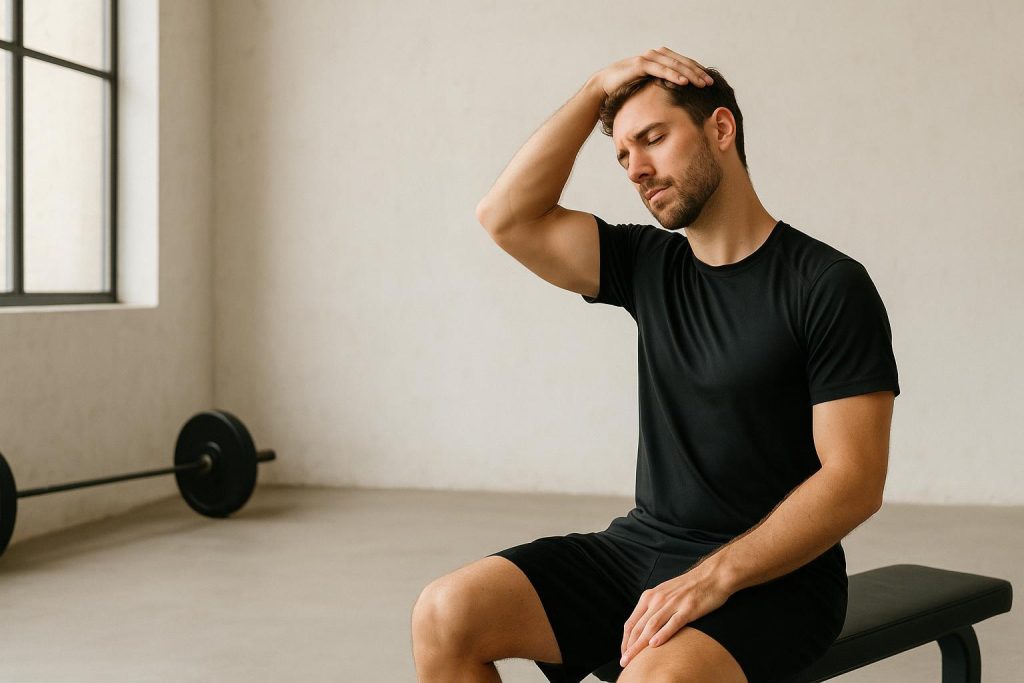
- Isometric Exercises: These are exercises where you push against resistance without moving your head and neck. For instance, you can press your palm against the side of your head and push gently for several seconds. Repeat on all four sides of the head—front, back, left, and right.
- Resistance Training with Bands: Using a resistance band, you can engage in light tension exercises. Secure the band around the back of your head or the side, then slowly move your head forward, backward, or sideways under resistance.
- Controlled Head Movements: Lying on your back, slowly lift your head from the ground and bring your chin toward your chest. Hold briefly, then lower your head back down. Similarly, you can turn your head from side to side to engage lateral neck muscles. Always keep movements slow and controlled to avoid strain.
- Postural Alignment: Often overlooked, good posture can help your neck muscles function effectively. Focus on keeping your head aligned over your shoulders and avoid slouching. Correct posture places the head in a position where your neck is more stable and supportive.
The key is consistency and correct form. If you’re unsure about any movement, consulting with a care professional, such as a physiotherapist or a chiropractor, can help ensure you’re doing the exercises properly.
The Importance of a Comprehensive Approach
When it comes to something as complex as the brain, a single-factor intervention rarely covers all bases. In addition to strengthening your neck, consider making other lifestyle and training adjustments. Training your reflexes, fine-tuning your balance, and improving your overall fitness can help you mitigate unexpected impacts.
If you have reason to think you’ve suffered a concussion or if you’re in a high-risk environment—like contact sports—seeking care from a clinician experienced in head injuries is crucial. A professional can give you personalized care focused on healing, recovery, and future prevention strategies. If you’d like more context on serious head trauma, you can learn more about traumatic brain injuries to understand the broader implications of head impacts.
Common Misconceptions
Many people wonder: “If I have big neck muscles, doesn’t that mean I’m safe from concussions?” Unfortunately, no. Muscle size alone doesn’t determine how effectively your neck can stabilize during high-impact forces. It’s also about how quickly and efficiently your muscles respond. Reaction time, body positioning, angle of contact, and many other variables come into play.
Another common belief is that concussions are only found in American football or hockey. While concussions are indeed more common in high-contact sports, they can happen anywhere, especially if a sudden collision or a fall takes place. Helmets, mouthguards, and stronger neck muscles all reduce the risk to some extent, but they don’t provide an absolute shield against all forms of traumatic brain injury. Vigilance and good habits remain critical.
The Role of Professional Support
Because concussions affect both mental and physical wellness, it’s wise to seek out a multidisciplinary team for assessment and care. A thorough evaluation could include:
- Physical Exam: A physiotherapist or chiropractor may look at your posture, range of motion, and muscle strength. This helps identify any areas of imbalance or weakness that could put you at higher risk.
- Neurological Screening: A medical or psychological assessment might test your reflexes, coordination, memory, and other cognitive functions. This step is often taken to understand both the presence and severity of concussion symptoms.
- Treatment Planning: If you’re already experiencing symptoms or are in the recovery phase, a customized rehabilitation plan can guide you toward a healthier outcome. This might include exercises for the neck and core, vestibular training to help with balance and dizziness, and mental health support if needed.
At times, people overlook the psychological side of a concussion. Emotional symptoms can creep in, such as anxiety, fear of re-injury, and depression. Consulting with a therapist or psychologist may help address these mental health concerns. The goal is to return to your normal routine and find ways to handle any lingering effects.
Integrating Neck Strengthening into Overall Safety
A strong neck complements the rest of your body’s supportive structures. Neck work alone is helpful, but combining it with other practices can make a big difference in your safety and well-being. Here are some strategies:
- Core Training: Focus on exercises that strengthen your back, abdominal, and hip muscles, ensuring a balanced approach.
- Flexibility: Maintaining a regular routine of stretching can help preserve a suitable range of motion in your neck and shoulders.
- Coordination Drills: Monitor how you react to unexpected. Quick reaction times help you brace more effectively for impact.
- Preventive Checks: Stay ahead of potential injuries by checking in with healthcare professionals. A physiotherapy appointment or chiropractic check-up could help pinpoint issues before they become larger problems.
Mindful Lifestyle Choices
When considering concussion prevention broadly, simple lifestyle choices can play a significant role in resilience:
- Adequate Sleep: Getting sufficient rest helps your body perform at its best. Proper sleep supports muscle repair and reaction time, both essential for preventing injuries.
- Healthy Nutrition: A balanced diet provides building blocks for muscle strength, tissue repair, and overall energy. This contributes to better physical coordination, which may reduce the likelihood of accidents.
- Stress Management: High stress can lead to fatigue and loss of focus, increasing risk during athletic activities or daily tasks. Techniques such as deep breathing, meditation, and engaging in recreational hobbies can help maintain mental clarity.
Recognizing the Signs of Concussion
Even with preventive measures in place, it’s crucial to know the telltale signs of concussion. Early detection can be the key to prompt care and a safe return to your daily routine. Common warning signs include:
- Headache or Head Pressure: It may feel like tightness or throbbing. The headache can develop quickly or gradually worsen over time.
- Nausea and Dizziness: Individuals may feel sick to their stomach or unsteady on their feet.
- Confusion: A sense of feeling “out of it,” not sure about the day or activity.
- Memory Gaps: Difficulty recalling events before or after the impact. Some people also experience disorientation regarding time and place.
- Visual Disturbances: Seeing “stars,” blurred vision, or sensitivity to light.
- Changes in Mood: Increased irritability, anxiety, or depression can sometimes indicate an underlying concussion.
If you or someone you know experiences any of these symptoms—particularly if they worsen over time—seek professional attention. Early intervention can shorten recovery time and help you avoid complications.
Summing It All Up
Strengthening your neck muscles is a proactive, evidence-informed way to reduce your risk for concussion. By increasing stability around the head and neck, you may lessen how much the head whips around upon impact. Yet it’s important to remember that no single strategy will keep you 100% immune from concussion. Protective gear, proper technique, and responsible behavior all contribute to concussion mitigation.
Think of neck strengthening as one piece of a broader concussion prevention toolkit. Round it out with regular physical conditioning, awareness of head injury signs, proactive screening, and overall lifestyle choices that support mental and physical wellness. If you ever find yourself dealing with concussion symptoms, don’t hesitate to consult with a health professional for personalized care recommendations. This kind of integrated approach can help you make real progress, protecting not only your head but your overall well-being.
Remember, your health is a long-term commitment, and every step you take to safeguard it counts. Whether you’re a competitive athlete or someone who values whole-person health, caring for your neck is a meaningful step in your journey toward safer activity and a better quality of life.