
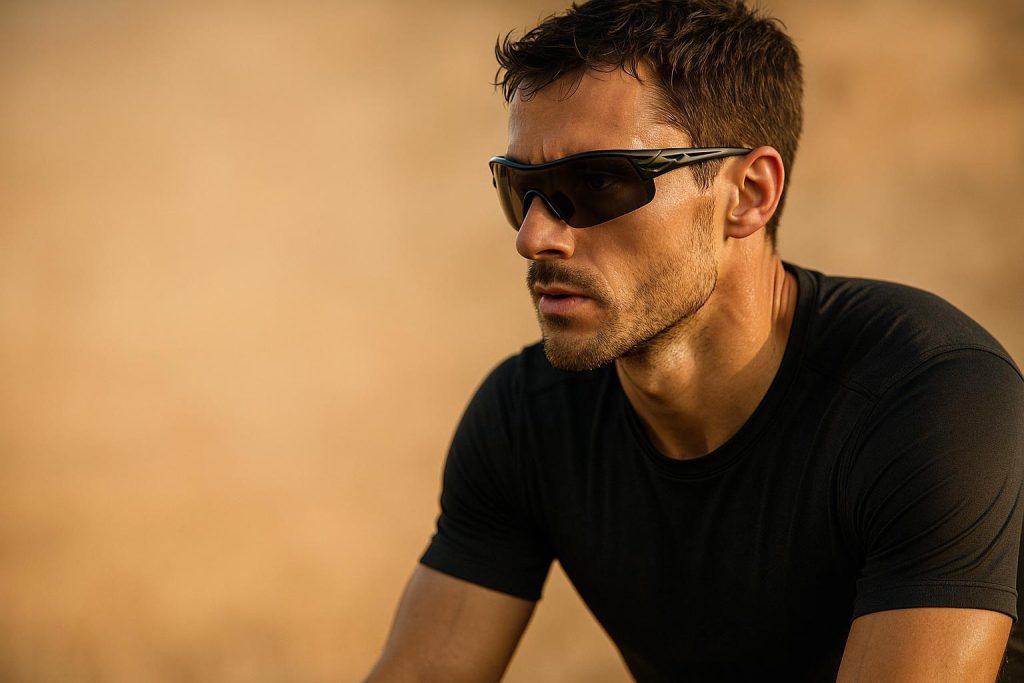
Improving Sports Vision with Corrective Eyewear and Contact Lenses
Clear vision is essential for athletes at every skill level. The ability to estimate distances, follow fast-moving objects, and react quickly can often make the difference between victory and defeat. Yet many athletes live with undiagnosed or under-corrected refractive issues such as myopia (nearsightedness), hyperopia (farsightedness), or astigmatism. Fortunately, the right set of corrective eyewear or contact lenses can help you maintain focus, improve your reaction time, and feel more confident on the field, court, or track.
In this comprehensive guide, we’ll explore how corrective eyewear can give you an edge in your chosen sport. We’ll discuss the differences between sports glasses and contact lenses, cover important considerations for specialized sporting environments, and highlight a whole-person approach to athletic success. By the end, you’ll not only understand your vision correction options but also appreciate how they fit into an integrated approach to whole-person health and performance.
The Effect of Refractive Errors on Sporting Performance
Refractive errors might go unnoticed in everyday life, but even minor visual disruptions can have an outsized effect in sports. For instance, if you’re a soccer forward with uncorrected nearsightedness, it becomes challenging to judge how far the goalkeeper is or where the goalpost lies in your peripheral view. Similarly, a tennis player with uncorrected astigmatism may struggle to gauge spin or velocity, resulting in late swings. When you’re in an environment that demands precision and professional insight, sharp eyesight becomes everything.
Beyond on-field performance, unclear vision can prompt you to compensate by tilting your head in awkward ways or shifting your posture to see better. Over time, these small adjustments can ripple across your muscular system, creating discomfort in the neck, shoulders, or back. If left unmanaged, these misalignments might mean you need additional support, like chiropractic care or physiotherapy. For athletes taking a long-term view of their careers, preventing such knock-on effects is crucial to staying injury-free and maintaining real progress.
Why a Holistic View Matters
In the world of competitive and recreational sports, success often depends on a range of synergistic factors. Beyond just eyesight, you need sufficient muscle strength, flexibility, mental resilience, and a sense of confidence under pressure. A holistic or integrated approach to performance acknowledges that vision correction is only one piece of the puzzle.
When you explore an integrated approach, you consider how your eyes, mind, and muscles work in harmony. That might include corrective eyewear, sports vision training, and strategies to handle prior injuries, such as a bone fracture or traumatic brain injury. Engaging in regular checkups and exploring therapies like massage therapy can help prevent muscle imbalances and encourage full recovery after intensive training. Meanwhile, seeking psychology services for stress or performance anxiety can also guarantee you maintain your mental edge.
Sports Glasses and Goggles: Pros and Cons
Sports glasses, goggles, or specialized eyewear have evolved in design, moving far beyond your typical daily prescription glasses. These are engineered with quality materials (like shatter-resistant polycarbonate) to safeguard you from collisions, especially in contact sports such as basketball, soccer, or racquet sports. Some core advantages of specialized sports eyewear include:
- Durability: Polycarbonate lenses are lightweight yet tough, helping protect your eyes from stray elbows or flying equipment.
- Reliable Fit: These frames often come with adjustable straps or rubberized grips to ensure they stay securely in place.
- Customizable Lenses: You can tailor lenses to match specific weather or lighting conditions. For instance, tinted lenses for bright outdoor play or anti-fog coatings for humid gyms.
Still, glasses aren’t ideal for everyone. Some athletes might find the frames restrict peripheral vision or worry that goggles could fog up when they sweat. While anti-fog coatings and the right lens design can minimize these problems, the possibility of an obstructed line of sight may still concern those in sports that require wide-angle viewing (such as hockey or lacrosse). Ultimately, choosing framed eyewear comes down to how comfortable and confident you feel wearing it under high-intensity conditions.
Contact Lenses: The Streamlined Solution
Contact lenses can be a great choice for athletes in search of unobstructed vision. Because they move with your eyes, they offer a seamless field of view, eliminating blind spots or lens frames from the equation. Here’s why many athletes prefer them:
- Full Range of Vision: Without the borders of a frame, you get clear sight at every angle.
- Minimized Fogging: Contacts don’t fog up in cold or humid conditions, which can be a game-changer for swimmers or outdoor runners in cooler climates.
- Stability: Properly fitted contact lenses are less likely to shift or fall out during quick pivots, sprints, or jumps.
On the other hand, some people experience dryness or irritation from contact lenses, especially during extended training sessions. You might need special lens materials and lubricating eye drops to keep them comfortable. Hygiene matters too. Not following consistent lens cleaning procedures can invite infections. If you play contact sports, the worry of a lens popping out might prompt you to opt for disposable lenses, so you can quickly replace them if something goes wrong.
Examining Specialized Sports Eyewear
In addition to prescription sports glasses and contacts, many sporting fields have specialized designs aimed at enhancing performance and safety. Examples include aerodynamic, wraparound lenses that cyclists favor to reduce wind drag, or tinted ski goggles that enhance contrast in snowy environments. This specialized gear goes beyond simply correcting vision. It also protects your eyes from debris, sun glare, or harsh environmental factors. Important features of specialized sports eyewear include:
- Impact Absorption: Frames designed to handle collisions in rough, high-impact environments.
- Anti-Slip Finishes: Rubber grips, adjustable straps, or built-in pads that prevent slippage when you sweat.
- Sport-Specific Lens Tints: For instance, orange or amber lenses can heighten contrast on cloudy days or in fields with poor lighting.
If you play or train in a highly specialized sport, consulting with an eye care professional can help you determine which lens color or coatings work best for the conditions you normally face. By combining visual correction with protective features, you’re not only supporting recovery and performance but also reducing the risk of injury.
The Importance of Proper Fit
Whether you use glasses or contacts, ensuring a proper fit is key to compassionate care. Ill-fitting eyewear may slip around and cause continual adjustments, which can be distracting or even dangerous when you need to concentrate. With contact lenses, the lens curvature (also called the base curve) and diameter should match your eye shape to avoid any discomfort or blurred edges. With sports frames, the bridge, temples, and lens shape should align with your face structure so your view remains steady during quick head movements.
If you’re exploring new eyewear solutions, it helps to discuss your sporting environment, typical training duration, and any relevant injuries with your eye care provider. They might work in tandem with your physiotherapist, chiropractor, or other providers if you have posture or muscular imbalances from a prior injury. This trusted guidance can clarify whether you should lean toward certain lens materials or protective add-ons, ensuring you receive the most personalized outcome possible.
Sports Vision Training: Going Beyond Correction
Visual clarity sets the stage, but it’s not the whole story. Many athletes now incorporate “sports vision training” into their routines. This involves drills and exercises designed to amplify visual processing speed, sharpen hand-eye coordination, enhance depth perception, and improve peripheral awareness. Think of it like strength training for your eyes and brain.
Sports vision training can be especially beneficial for ball sports, such as baseball or basketball, where tracking the moving object and anticipating your opponent’s moves are foundational. It’s also valuable in martial arts, boxing, or fencing, where reading subtle cues in your opponent’s movements can help you respond more effectively. When combined with well-fitted corrective eyewear, these exercises can elevate your performance another notch. Consistent practice helps your eyes and mind work in unison, giving you a *feel* for the game that might have been missing when your vision was uncorrected.
Common Concerns and Solutions
Individuals often have questions or worries when considering corrective eyewear for sports. Below are a few common concerns:
- “Fogging ruins my vision.” Specialized coatings, anti-fog sprays, and the right lens materials can solve this issue. Opting for contact lenses is another method to avoid condensation altogether.
- “Contacts irritate my eyes.” Sometimes dryness is to blame. Daily disposable lenses or certain silicone hydrogel designs may retain moisture better. Lubricating eye drops are also helpful.
- “I struggle with inserting contacts.” If you’re new to lens use, learning proper techniques alongside your eye care expert is essential. Consistent practice and a calm environment make the process easier over time.
- “What if a contact lens pops out during a match?” For high-risk or fast-paced sports, having a couple of spare lenses on standby could save the day. Once you gain confidence, you’ll find that well-fitted lenses rarely dislodge unexpectedly.
Finding the right solution can be a journey. Patience and expert support from an experienced provider ensure that new challenges are met with actionable strategies.
Maintenance and Care
Regardless of which eyewear type you select, proper care prolongs its life and maintains your eye health. If you opt for contact lenses, cleaning them thoroughly each day and storing them in fresh contact lens solution is essential. For glasses or goggles, wiping them with microfiber cloths reduces smudges and scratches. You might also want a specialized protective case to prevent warping or accidental damage.
Athletes who compete often can benefit from owning backup pairs or sets. A spare pair of goggles or an extra box of daily contacts can be a lifesaver if something breaks or you misplace items right before a big game. Proactive planning ensures your vision remains uncompromised when you need it most.
When to Seek Professional Guidance
If you’ve noticed that your play or training is being hampered by vision issues—maybe you’re missing easy passes or struggling to track the ball—consider booking an eye exam. An eye care specialist who understands the demands athletes face can help you decide if sports glasses, contact lenses, or both are right for you. You might even consider an assessment that measures your reaction speed, peripheral awareness, and contrast sensitivity.
Individuals who have experienced previous injuries—like a bone fracture or traumatic brain injury—often work with other health experts to ensure a well-rounded recovery plan. This might include physiotherapy or chiropractic care, as well as mental health support through psychology if anxiety or performance stress is an issue. The idea is to tackle all contributing factors so you can move forward with clarity and confidence.
Combining Vision Correction with Overall Athletic Wellness
When you address and optimize your eyesight, you add another layer to your overall health and performance plan. Vision correction enables you to execute your strategies more reliably, whether you’re perfecting a tennis serve or aiming for a long-range basketball shot. Meanwhile, maintaining good physical alignment and mental resilience helps you remain consistent during pivotal moments.
At times, you might decide to combine your vision correction plan with massage therapy for muscle tension or physiotherapy for recurring injuries. This approach acknowledges the interconnectedness of your body—when one system is off balance, it can affect other systems. By being proactive about each piece, you create an environment where you’re free to chase your athletic potential unhindered by nagging pains or visual doubts.
Conclusion: Reaching Your Peak with Clear Vision
Corrective eyewear and contact lenses aren’t just about addressing refractive errors. They’re tools that support mental and physical wellness, whole-person health, and better athletic outcomes. By helping you see clearly and react faster, the right visual support can spark real progress in your game. Just as importantly, it can keep you safe from preventable injuries that arise when your view of the action isn’t sharp.
Whether you prefer the sturdiness of sports goggles or the unobstructed view of contact lenses, the key is finding a solution tailored to your unique needs. With trusted guidance from professionals who understand sports vision demands, you can build a plan that fosters both recovery and performance. Pair that with an integrated approach—including sports vision training, physiotherapy, and a supportive mindset—and you’ll be well on your way to competing with clarity, precision, and self-assurance. Ultimately, sharpening your vision is more than about winning games—it’s about feeling confident and capable in every moment of play.