
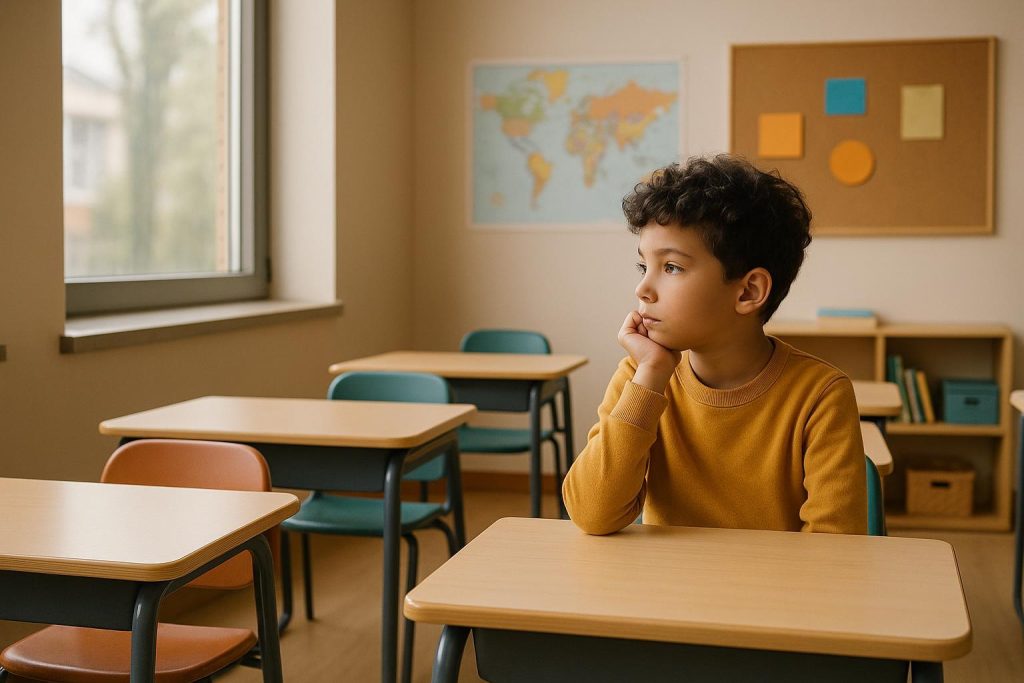
Understanding the Impact of ADHD on Children
Attention-Deficit/Hyperactivity Disorder (ADHD) is a neurodevelopmental condition that can appear early in a child’s life. Children with ADHD often display persistent patterns of inattention, hyperactivity, and impulsivity that affect their daily routines, relationships, and academic success. Every child is different, which means the signs and challenges of ADHD can vary from one child to the next. By learning more about ADHD, parents, guardians, and caregivers can better recognize its effect on their child’s wellbeing and provide compassionate support.
ADHD is not simply a matter of bad behavior or lack of motivation. In fact, many children with ADHD are creative, curious, and eager to learn; they just need help channeling their energy and developing strategies to pay attention. When given the right interventions and environment, children with ADHD can flourish, grow in confidence, and achieve positive outcomes—both in and out of the classroom. This guide will explore how ADHD can affect a child’s daily functioning, social life, and emotional health, as well as outline some key strategies that can help children thrive.
Recognizing the Signs of ADHD
Despite the common perception that ADHD is only about hyperactivity, the reality can be much broader and more nuanced. Children may display one predominant symptom—such as inattention—or a combination of hyperactive and impulsive behaviors. Here are some common manifestations of ADHD in children:
- Inattention: Struggling to focus on tasks, follow instructions, or organize items. This can make completing homework or chores a persistent challenge.
- Hyperactivity: Frequently fidgeting, tapping, or talking excessively. Children may seem to be in constant motion or have difficulty playing quietly.
- Impulsivity: Interrupting conversations, blurting out answers in class, or finding it hard to wait their turn. This may cause conflicts with peers and frustration in group settings.
It’s important to note these symptoms typically appear before the age of twelve and occur in more than one environment—for instance, at both home and school. If you suspect your child might have ADHD, consulting with a healthcare professional, such as a psychologist, can be a helpful step toward understanding their specific needs.
Day-to-Day Challenges
Living with ADHD can make each day feel more demanding for children. They often face difficulty staying organized, remembering instructions, or even sitting still at the dinner table. While each child’s experience is unique, many encounter obstacles like:
- Task Completion: Routine tasks—like cleaning their room or completing assignments—may become overwhelming. Children with ADHD can lose track of what they are doing, even if they started with enthusiasm.
- Routine Disruptions: Managing transitions, such as finishing playtime and getting ready for bed, can be stressful. Quick changes in schedule can lead to outbursts or high frustration levels.
- Self-Regulation: Children often struggle to “pause” before acting. This impulsivity may lead to accidents, conflicts, or unexpectedly risky behavior.
Despite these day-to-day hurdles, a child with ADHD can learn to manage their attention and behavior through supportive strategies. Early recognition and consistent help from parents, educators, and mental health professionals provide a foundation for real progress.
Academic and School Performance
One of the most visible areas where ADHD can have a strong impact is in the classroom. Children with ADHD may find it challenging to sit still for extended periods or remain focused on detailed lectures. Tasks like reading comprehension, note-taking, and test preparation can sometimes be extra difficult due to inattentiveness or restlessness. Here are a few ways ADHD might affect school performance:
- Incomplete Assignments: Because children may quickly lose focus, they often leave tasks unfinished or rush through them. This can affect grades and lead to frustration.
- Difficulty Following Rules: Classroom environments require structure and adherence to rules. Children with ADHD might inadvertently break these rules or talk out of turn, leading to disciplinary issues.
- Performance Anxiety: Constantly feeling behind or receiving frequent feedback about their behavior can heighten stress levels. This anxiety sometimes leads to avoidance of certain tasks and further impacts learning.
Collaboration among parents, teachers, and school staff is vital. Developing individualized education plans or 504 accommodations can help your child succeed academically. These strategies might include allowing more time for tests, providing structured and quieter spaces for learning, or offering frequent breaks to alleviate restlessness.
Social Interactions and Friendships
Children with ADHD can have a difficult time making and keeping friends. Impulsive jokes, frequent interruptions, or an inability to pick up on social cues can leave peers feeling annoyed or misunderstood. Similarly, a child’s restlessness might accidentally turn into aggression during group play if they don’t realize they need to slow down or give others a turn.
These social struggles can be discouraging. Children with ADHD might feel left out or singled out, which affects self-esteem and can sometimes lead to further behavioral problems. Yet many children with ADHD are imaginative and energetic, traits that can also help them form meaningful friendships once they learn to manage their impulsivity. By guiding them toward empathy, teaching them how to ask questions, and demonstrating sharing and respectful listening, parents can support healthier social connections.
Comorbid Conditions and Mental Health
ADHD rarely appears in isolation. Some children with ADHD may also have other mental health disorders such as anxiety, depression, or learning disorders. This combination can complicate diagnosis and create additional challenges in and out of school. For instance, anxiety can increase a child’s tendency to avoid stressful tasks, while depression might cause them to lose interest in activities they once enjoyed. Learning disorders can further hinder academic progress, amplifying struggles already present due to ADHD.
If you notice ongoing mood swings, constant worry, or a lack of interest in daily routines, it may be helpful to speak with a mental health professional. A comprehensive evaluation can identify any co-occurring conditions, ensuring your child receives a complete and integrated approach to their welfare. Early intervention can prevent behaviors and feelings from escalating and improve your child’s quality of life in the long run.
Discipline and Parenting Strategies
Parenting a child with ADHD often requires a dynamic, consistent, and warm approach. Children benefit from structured routines, clear communication of expectations, and immediate, constructive feedback. Using positive reinforcement—praising accomplishments or progress toward good behavior—tends to make a powerful impact. Learning to manage challenging moments effectively can involve:
- Setting Predictable Schedules: Sticking to a consistent bedtime, mealtime, and playtime can provide clarity and reduce impulsive shifts in behavior.
- Offering Clear Choices: When giving tasks or requests, present options that are age-appropriate. This allows kids to feel in control and reduces potential power struggles.
- Using Discipline Wisely: Discipline should be immediate and focus on the action rather than labeling the child as “bad.” For instance, removal of a privilege for a specific period can be more effective than a generic punishment that feels unrelated.
When parents consistently model calm, patient communication, it can diffuse tense situations and offer children a guiding example on how to manage big emotions.
Building Self-Esteem Through Daily Habits
Because children with ADHD so often hear about their mistakes, self-esteem can suffer. Encouraging them in areas where they shine can go a long way toward balance. Whether it’s music, sports, art, or science, nurturing interests and passions helps them gain confidence and feel proud of their achievements. Here are some ideas to build self-esteem:
- Celebrate Achievements: Recognize successes—no matter how small. A genuine “Well done” or a note acknowledging their effort can bring a sense of accomplishment.
- Encourage Physical Exercise: Activities that allow them to move, like dancing or team sports, can help expend excess energy while encouraging physical and mental wellness.
- Focus on Strengths: Remind them of what they do well, and use those strengths to approach challenging tasks. For instance, if your child loves drawing, suggest they visualize or outline school assignments in a creative storyboard format.
Over time, focusing on positive actions can counterbalance the negative feedback they might receive daily. This compassionate care fosters an environment in which they feel safe taking on new challenges.
Treatment and Therapeutic Approaches
An integrated approach that addresses both mental and physical aspects of health can be beneficial when treating ADHD. This often involves psychological therapy, behavioral interventions, and sometimes medication. In Edmonton, for instance, families may opt to connect with clinics offering comprehensive psychology services that bring together professional insight from different specialists. Together, healthcare providers can develop a personalized care plan to address the child’s unique needs. Here are some key treatment modalities:
- Behavior Therapy: This might include cognitive behavioral approaches that help children identify and modify behaviors that impact their functioning.
- Parent-Child Interaction Therapy (PCIT): Often used to strengthen the parent-child bond and improve communication, PCIT offers real-time coaching for parents.
- Medication Management: Stimulant and non-stimulant medications can sometimes help reduce core symptoms by enhancing the brain’s ability to pay attention and control impulses.
It’s important to discuss the advantages and potential risks of each option with a qualified healthcare professional. A plan that combines several methods—tailored to support the whole-person health of your child—often produces the most consistent improvements over time.
Helping Children Manage Emotions
Emotional sensitivity can be a prominent aspect of ADHD. Children might burst into tears over minor frustrations or become exceptionally upset if they can’t succeed at a desired task on the first try. Teaching them emotional regulation skills can involve simple mindfulness exercises, deep breathing breaks, or guided relaxation. Additionally, practicing problem-solving talks puts them in a better position to handle difficulties with clarity.
Creating an environment at home that acknowledges mistakes and praises effort can also reduce emotional outbursts. When children realize that they won’t be harshly judged for not getting something right the first time, they often feel safer and more open to trying again.
Collaborating with Educational and Health Professionals
True progress often happens when families collaborate with the professionals involved in their child’s life—teachers, counselors, psychologists, or other healthcare providers. Frequent communication helps ensure that everyone is on the same page, using strategies that complement each other. Teachers, for example, may notice patterns of inattentiveness or see triggers for impulsive actions, while parents can share insight into what works well at home. The coordination of these perspectives leads to more effective interventions.
For children in Edmonton or other areas where integrated care is available, connecting with a multidisciplinary clinic can streamline services. This approach ensures that each service area—be it psychology, physiotherapy, or additional support—works in sync, offering expert support designed to fit the child’s lifestyle and challenges.
As Children Grow Older
Many of the core characteristics of ADHD, such as attention difficulties and impulse control, can persist into adolescence and adulthood. The good news is that children who learn strategies early often develop stronger organizational skills and resilience. As they grow, they might need different or fewer interventions, but the need for informed guidance and a supportive environment remains crucial.
Middle school, high school, and college can each bring new demands, including greater workloads and increased social pressures. Helpful steps include continuing skill-building at home and maintaining an open line of communication with educational institutions. In some cases, a shift in therapy or the use of alternative coping strategies may be necessary to adapt to these new challenges.
Promoting Whole-Person Health
Children are more than their ADHD diagnosis. They are individuals with talents, dreams, and feelings that require nurturing and encouragement. Building a community of support—family, friends, teachers, and mental health providers—helps them realize that plenty of people believe in their abilities. Incorporating hobbies, physical activity, and a balanced diet can also create pathways to improved attention and self-esteem.
When children feel understood and supported, they often become more motivated to stay on task and follow routines. They encounter real progress as they develop coping mechanisms that make it easier to handle the demands of everyday life. With consistent, compassionate care from parents, professionals, and educators, children with ADHD can build the confidence to navigate their challenges and flourish into successful, empowered individuals.
ADHD doesn’t have to block a child’s growth or happiness. With the right strategies and an integrated approach to mental and physical wellness, these children can discover strengths, overcome obstacles, and prepare for success in school, friendships, and beyond. If you are seeking trusted guidance and professional insight, working with a qualified mental health provider is a valuable first step. By offering personalized care and focusing on the whole child, families and experts can help children with ADHD learn, adapt, and ultimately thrive.