Understanding IMS: A Comprehensive Overview
Intramuscular Stimulation (IMS) is a specialized therapeutic approach designed to address chronic pain, muscle tension, and nerve irritation. It works by inserting thin, solid needles into specific muscle fibers that have become tight or shortened over time. This method focuses on releasing tension in affected areas, promoting healing, and reducing pain signals. While IMS and traditional needling approaches often look similar because both use fine needles, IMS stands apart through its targeted focus on muscle dysfunction and nerve-related pain. The goal is to offer sustainable relief by addressing the underlying causes of pain rather than providing a quick fix. In this comprehensive overview, we’ll discuss how IMS works, what makes it different, and how it may support you or someone you know on the path to whole-person health.
The Western Medical Roots of IMS
One of the most distinctive characteristics of IMS is its strong grounding in Western medical science. The approach primarily revolves around neurophysiology, focusing on how nerves and muscles interact to produce—or reduce—pain. Its founder, Dr. Chan Gunn, believed that many chronic pain conditions stem from neuropathic problems in the body, especially when certain muscles become tight or irritated. By placing needles into these hyperactive areas, the practitioner aims to release tension and restore proper nerve-muscle function.
In simpler terms, imagine your muscles as rubber bands that naturally stretch and relax throughout the day. Sometimes they tighten, whether due to poor posture, repetitive stress, injury, or neurological issues. When this happens, it can pull on surrounding nerves and tissues, triggering persistent pain signals. Through IMS, the needle acts almost like a reset button: it momentarily agitates the affected muscle just enough to encourage relaxation and improved circulation. This, in turn, can alleviate nerve irritation and help restore a healthier muscle length.
How IMS Differs from Traditional Needle-Based Methods
Even though IMS and more traditional needling techniques share one key similarity—both use thin needles—their underlying principles differ. IMS practitioners often rely on a blend of physical assessment, patient history, and sometimes medical imaging to identify which muscles or nerves are contributing to pain. They then target these problem areas directly. Traditional approaches, on the other hand, might focus on specific meridians or locations chosen based on an entirely different set of diagnostic criteria. While both systems can be effective, IMS is particularly oriented toward muscle and nerve dysfunction, making it an appealing option for individuals whose pain stems from tightness, motor point irritation, or nerve-related issues.
What Does an IMS Session Look Like?
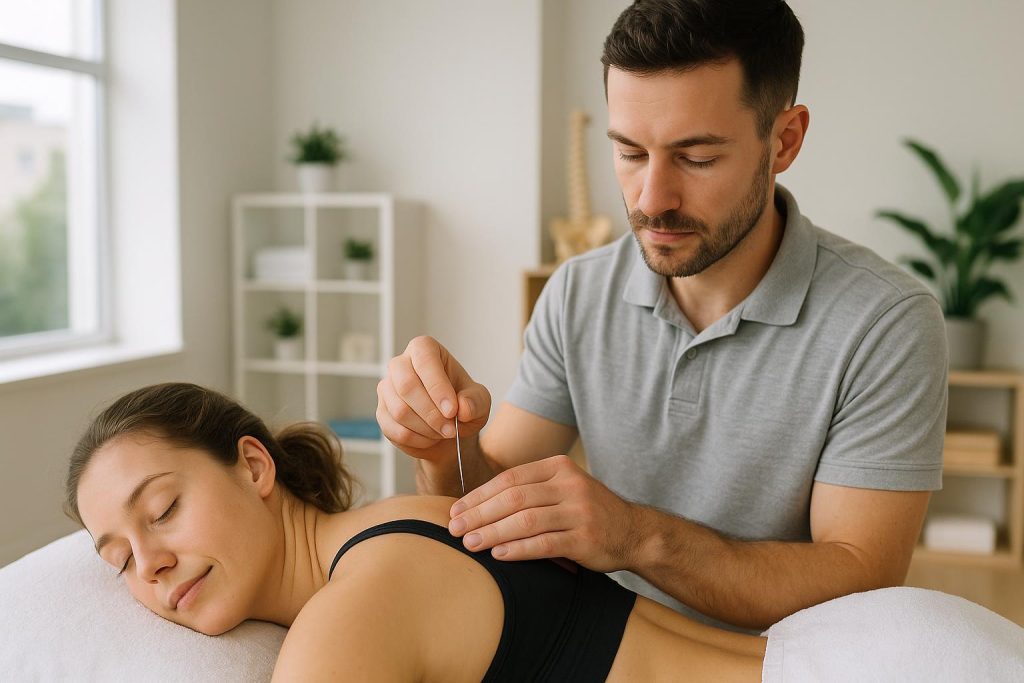
Many people wonder what to expect during their first IMS session. A typical appointment might begin with a thorough assessment by a licensed practitioner, which could be a physiotherapist or chiropractor who has advanced training in IMS. They will ask about your medical history, any existing injuries, and current sources of discomfort. Then, they may examine your posture and range of motion to identify which muscle groups are most affected.
During the actual needling portion of the session, you may feel a brief cramping or twitching sensation—often considered a good sign that the treatment is hitting the right spot. Some people describe it as a deep ache or slight contraction, but the discomfort usually subsides quickly. After the needle is inserted, the muscle often relaxes, which can reduce pain and improve flexibility. An entire session may last anywhere from 15 to 45 minutes, depending on the complexity of your condition and how your body responds.
Key Benefits of IMS
- Relief of Chronic Pain: By targeting tight muscle fibers that may be contributing to nagging aches, IMS can help minimize pain signals and promote healing in areas that feel locked up or constantly aching.
- Improved Mobility: Tight muscles often limit movement. IMS encourages muscles to release and lengthen, which can make everyday activities—such as walking, reaching, or even sleeping—more comfortable.
- Addressing Nerve Irritation: Chronic pain sometimes originates from irritated nerves rather than the muscles themselves. IMS is especially effective when tight muscles exacerbate nerve compression, leading to conditions like sciatica.
- Targeted and Personalized: IMS practitioners are trained to locate and treat the specific muscles causing discomfort. This personalized approach ensures that the therapy is focused and effective.
- Complementary to Other Therapies: IMS can be integrated seamlessly with other forms of care, including physiotherapy, chiropractic care, and massage therapy.
Why Muscle Tightness Matters
Muscles are complex tissues that contract and relax in response to signals from the nervous system. When these signals become disrupted or when muscles remain contracted for too long, a state of chronic tightness can develop. Chronic tightness is not just a minor inconvenience; it can lead to pain, reduced range of motion, and even joint stress. Think of each muscle as part of a large, interconnected support network. If one muscle is significantly tighter than it should be, it begins to pull on surrounding structures. This can create a domino effect, where the body compensates in various ways, resulting in a range of uncomfortable symptoms.
IMS zeroes in on these areas of tightness by using a fine needle to “nudge” the muscle into releasing. This therapeutic “nudge” encourages improved blood flow to the area, as well as a mild healing reaction that can reduce sensitivity in the nerves. Over time, this process can help the body restore healthier patterns of movement. In many cases, individuals start to notice reduced pain and enhanced ease of motion after just a few sessions, although every person’s response can differ.
Applications of IMS
One of the strengths of this modality is its versatility. IMS may be helpful for people dealing with a variety of chronic or recurring pain syndromes, including but not limited to:
- Back and Neck Pain: Individuals with persistent lower back pain or neck aches stemming from long hours at a desk or past injuries may find targeted relief.
- Myofascial Pain Syndrome: Muscle pain that’s often described as knots or trigger points in the shoulders, hips, or other areas can respond well to IMS interventions.
- Sciatica: Tightness in the lower back and gluteal muscles can aggravate the sciatic nerve, causing shooting pains down the leg. By reducing muscle tension, IMS can sometimes reduce nerve compression.
- Shoulder and Rotator Cuff Issues: Athletes and non-athletes alike can experience intense shoulder pain due to muscle imbalances that may benefit from this specialized approach.
- Chronic Headaches: Some headaches, particularly tension headaches, may be linked to tight muscles in the neck or upper back region. IMS could be part of a broader plan to lessen headache frequency and intensity.
In certain instances, IMS may also pair well with other interventions like chiropractic adjustments or guided exercise programs. This integrated approach emphasizes whole-person health, ensuring that each layer of dysfunction—whether muscular, neurological, or biomechanical—is addressed for best results.
How IMS Complements an Integrated Approach to Care
When you think about pain, it’s beneficial to remember that the body is a system of interconnected parts, both physical and mental. Pain in one region can affect sleep, mood, and overall well-being. That’s why many individuals opt for a multidisciplinary strategy that combines IMS with other therapies. For instance, someone recovering from a work-related injury may benefit from physiotherapy for exercise-based rehabilitation, as well as IMS to tackle stubborn muscle tension. Likewise, if chronic pain has begun to influence mental health—leading to stress or anxiety—talking with a professional counselor or psychologist can add another layer of supportive care.
This integrated model of care helps ensure you’re not simply addressing the symptom, but rather the overall impact it has on your life. When paired together, interventions like IMS, physiotherapy, and mental wellness counseling can create a synergy where each modality amplifies the effectiveness of the others, potentially speeding up recovery and improving long-term outcomes.
Understanding the Mechanisms Behind IMS
The main mechanism behind IMS involves the needle stimulating a localized reaction in hypertonic (excessively tight) muscle fibers. When the needle is inserted, the muscle experiences a small injury response, causing the muscle to cramp briefly before relaxing. During this process, nerve pathways are also influenced. Essentially, the nervous system realizes the muscle is overly tight, triggers a protective reflex, and then “reboots” to allow for better function.
Additionally, improved blood flow and oxygenation occur when the muscle relaxes. Muscles that are too tight can become ischemic, meaning they don’t get enough oxygen or nutrients. By encouraging the muscle to let go, IMS promotes better circulation in that area, which supports the healing process and can lessen pain sensitivity.
Common Questions About IMS
1. Will it hurt?
While pain tolerance varies from person to person, many individuals describe IMS as uncomfortable but manageable. The brief twitching or cramping sensation is often followed by relief once the muscle relaxes.
2. How many sessions are needed?
The number of sessions differs based on the individual’s condition, the severity of muscle tension, and how the body reacts. Some people feel better after just one or two treatment sessions, whereas others may benefit from multiple visits. Your practitioner will likely give you a personalized plan after assessing your history, posture, and pain patterns.
3. Do I need to do anything between sessions?
In many cases, yes. A practitioner may recommend gentle stretches, posture improvements, or specific exercises to maintain a more relaxed state in the muscles and prevent re-tightening. Drinking plenty of water and staying active also helps sustain the benefits of IMS.
4. Are there any side effects?
Some mild soreness or bruising may occur around the treated area. This discomfort usually subsides within a day or two. It’s generally a normal part of the healing process and can be alleviated by light activity or a warm compress.
Who Performs IMS?
IMS typically requires specialized training for safe and effective application. Experts such as physiotherapists or chiropractors may pursue extra certification in intramuscular stimulation. These professionals often have a comprehensive understanding of anatomy, neurology, and muscle function, enabling them to pinpoint the treatments responsibly. If you’re interested in exploring IMS, it’s a good idea to check a practitioner’s credentials and ask about their experience treating conditions similar to yours. That way, you can feel confident that you’re in good hands.
Potential Conditions IMS May Help
Chronic issues stemming from muscle tightness and nerve irritation often see improvement through IMS. While it isn’t a magic solution, many clients find genuine, long-lasting relief, especially when they pair IMS with lifestyle changes or adjunct therapies. Conditions like fibromyalgia, which involves widespread pain, may benefit from gently targeting overactive muscle groups. Throughout the healing journey, ongoing communication with your healthcare provider is essential, so the regimen can be adjusted based on your body’s response.
For individuals who have plateaued in other treatment methods—such as those dealing with arthritic conditions or repetitive strain injuries—IMS may serve as an additional tool to jump-start progress. By focusing on muscle restrictions that might not have responded to standard stretches or manual therapy alone, IMS can offer a much-needed breakthrough in pain management.
Maintaining Results and Long-Term Wellness
Like many therapeutic interventions, IMS works best in the context of a broader commitment to your overall well-being. Consider adopting an exercise regimen that focuses on both flexibility and strength, which can support the newly released muscles and reduce the likelihood of relapse. Sustainably improving your posture during daily activities—whether you’re sitting at a desk, driving, or doing household chores—can also make a big difference.
It may help to consult with a physiotherapist for a personalized exercise program that reinforces healthy muscle patterns. For those dealing with significant stress or mental health challenges triggered by chronic pain, speaking with a counselor or psychologist can be an additional pillar of support. Both mind and body benefit from an integrated approach that acknowledges how emotional well-being affects physical recovery, and vice versa.
Conclusion: Is IMS Right for You?
Intramuscular Stimulation is a powerful method for those looking to address persistent muscle tightness and the nerve irritation that often accompanies it. By targeting specific problem areas, IMS offers not just short-term relief, but also sets the stage for long-term improvements in movement, comfort, and quality of life. Whether you’re an athlete seeking better performance, a busy professional looking to reduce muscle strain, or someone struggling with chronic pain, IMS may be a beneficial addition to your care plan.
Ultimately, the nature of your discomfort, personal health history, and goals will help determine whether IMS is a good fit. If muscle tightness and nerve irritation are at the core of your pain, IMS might offer the professional insight you’ve been seeking. And when combined with attentive support—like physiotherapy, chiropractic care, or mental health counseling—this therapy can be a key step toward real progress in your recovery and performance journey.
When it comes to whole-person health, having options that go beyond the surface can make all the difference. If you’re curious about whether IMS might address your particular challenges, consider talking to a qualified practitioner. Through trusted guidance and personalized care, you can chart a path to less pain, more mobility, and a more confident return to the activities you love.