Understanding the Differences Between Massage Therapy and Acupressure
Many people ask if massage therapy is the same thing as acupressure, or whether these two terms can be used interchangeably. In reality, they represent different but related approaches to hands-on healing and relaxation. Both can help relieve tension, aid in stress management, and promote overall well-being. Yet, there are distinct philosophies, techniques, and goals behind each practice. In this article, we’ll explore the core principles of massage therapy and acupressure to help you understand where they overlap, where they differ, and how they can each be a meaningful part of an integrated approach to wellness.
Table of Contents
- What Is Massage Therapy?
- What Is Acupressure?
- Key Differences Between Massage Therapy and Acupressure
- Potential Benefits of Manual Therapy
- Choosing Which Approach Is Right for You
- Incorporating an Integrated Approach
- Common Questions About Massage Therapy and Acupressure
- Conclusion
What Is Massage Therapy?
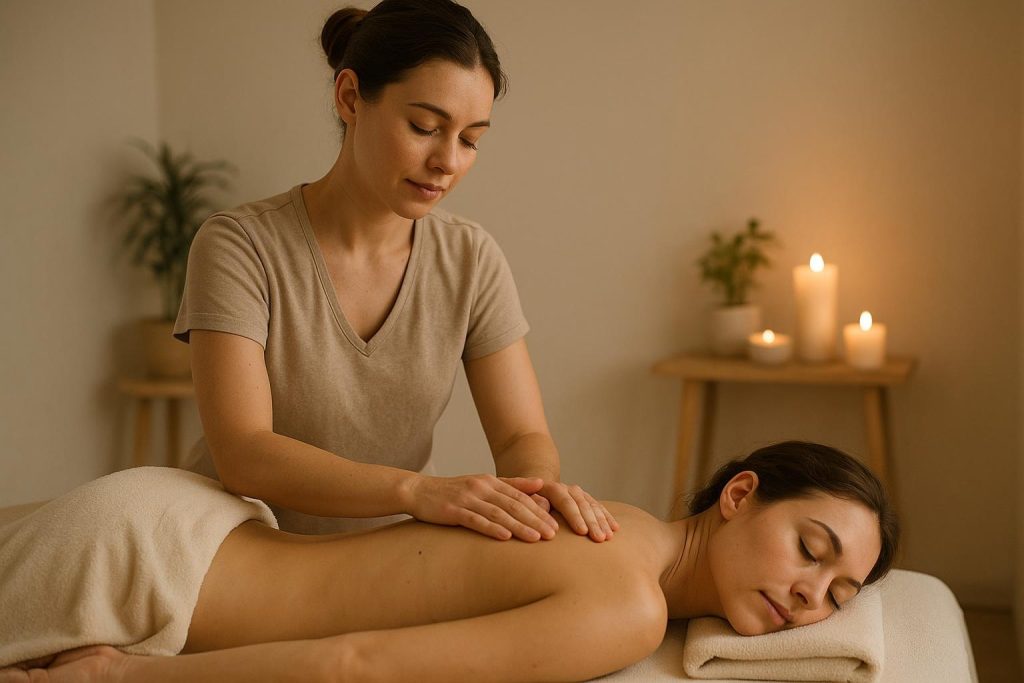
Massage therapy is a broad term that covers a variety of techniques intended to manipulate the soft tissues of the body, such as muscles, tendons, and ligaments. Practitioners use methods like kneading, stroking, tapping, or friction to target different layers of muscles and connective tissue. While there are many styles—Swedish, deep tissue, sports massage, and more—the underlying aim is to promote relaxation, improve circulation, and relieve discomfort or pain.
How It Works:
- Hands-On Techniques: A massage therapist uses their hands, and sometimes forearms or elbows, to apply pressure. This can range from gentle to deep, depending on your comfort level and the type of therapy.
- Focus on Musculature and Circulation: One of the key objectives is to address tight or knotted muscles, help reduce stress, and improve the overall flow of blood and lymph throughout the body.
- Different Modalities: Therapeutic approaches may include Swedish massage for general relaxation, deep tissue work for chronic tension, or sports massage for active individuals looking to improve performance and reduce the likelihood of injury.
Massage therapy often pairs well with other health services. For example, massage therapy can be integrated alongside physiotherapy, chiropractic care, or even psychological services for a more comprehensive plan. This makes it a strong choice for many who are looking to address both muscle tension and the stress that comes from injury, repetitive strain, or the demands of daily life.
What Is Acupressure?
Acupressure is a manual therapy derived from traditional principles that focus on the concept of energy flow in the body. While it also uses touch, it differs significantly from typical massage therapy. Practitioners apply pressure to specific points on the body—often called “acupoints”—to encourage the healthy movement of energy (commonly referred to as “chi” or “qi”). The belief is that by kneading or pressing these points, you can alleviate discomfort, reduce stress, and promote balance within the body.
How It Works:
- Targeted Pressure: Instead of focusing on broad strokes or kneading large muscle groups, acupressure pinpoints specific areas where energy is believed to collect or become blocked.
- Body-Mind Connection: Acupressure frameworks often consider mental and emotional states as interconnected with physical well-being, aiming to support holistic health.
- Diversified Techniques: Some practitioners may incorporate gentle pulses or circular motions on acupoints rather than extended strokes. This precise approach is a key difference when compared to traditional massage therapy.
Key Differences Between Massage Therapy and Acupressure
Although both involve the use of touch, their foundational theories differ. Here are the most notable distinctions:
- Philosophy: Massage therapy frequently emphasizes anatomical structures like muscles and connective tissues. Acupressure emphasizes energy pathways (sometimes called meridians) and specific points believed to foster balance.
- Technique: Massage therapy uses a variety of manual strokes, while acupressure highlights pinpointed pressure on particular energy points.
- Intensity: The intensity in massage therapy can vary widely—from light, soothing touch to very deep work—as it aims to relieve muscle tension. Acupressure typically involves moderate, sustained pressure on key points rather than intense kneading.
- Focus Areas: While a classic massage can address the entire body or a broad region (like the neck and shoulders), acupressure is often more localized to the meridian points associated with specific health issues.
Potential Benefits of Manual Therapy
Both massage therapy and acupressure can be considered forms of manual therapy—an umbrella term for hands-on approaches that may help people enhance their health. If executed safely and with professional insight, each can provide a range of benefits, such as:
- Reduced Stress and Tension: Physical touch activates relaxation responses in the body, which can help calm the mind.
- Enhanced Circulation: Stimulating pressure or strokes may increase blood and lymphatic flow, helping tissues recover and improving overall wellness.
- Pain Management: By targeting muscle tension or stimulating acupressure points, manual therapy techniques can help lessen aches and discomfort.
- Greater Body Awareness: Both massage therapy and acupressure can help you tune in to physical sensations, identifying areas of chronic tightness or stress buildup.
- Complement to Other Therapies: These approaches can seamlessly integrate with other treatments, such as physiotherapy and chiropractic care, for a broader, more comprehensive treatment plan.
Choosing Which Approach Is Right for You
When deciding whether to pursue massage therapy or acupressure—or potentially a blend of both—your choice can hinge on your health goals, comfort preferences, and the type of results you’re looking for. Ask yourself the following questions:
- Am I seeking relaxation or relief from tight muscles? If so, massage therapy might be a more immediate fit thanks to its emphasis on soft tissues.
- Am I curious about energy flow concepts? Those open to traditional holistic approaches may find acupressure appealing.
- Do I want a localized technique or a full-body treatment? A tension headache might respond well to targeted acupressure points, whereas overall muscle stiffness might benefit from a thorough massage.
- What other treatments am I already considering? If you are also undergoing physiotherapy or chiropractic, it’s worth discussing how manual therapy options could complement your plan.
Incorporating an Integrated Approach
At some clinics, multiple disciplines come together to form a comprehensive and personalized care strategy. Rather than focusing on one method alone, an integrated approach takes advantage of different therapies to ensure the full spectrum of your health is considered. For instance, combining massage therapy with certain exercises provided by physiotherapy can help you manage long-standing issues like chronic back pain.
Why an Integrated Approach Matters:
- Holistic Care: Tapping into the expertise of massage therapists, psychologists, physiotherapists, and other specialists, you gain a wider net of support that addresses physical, mental, and even emotional factors.
- Coordinated Treatment Plans: Frequent communication among professionals can help prevent conflicting treatments and make sure you’re on track toward your goals.
- Educational Support: Learning about posture, stress management techniques, and simple exercises to do at home empowers you to take an active role in your recovery and well-being.
- Reduced Time and Effort: By having access to multiple services in one place, you can streamline your appointments and focus on meaningful results.
A whole-person health approach goes beyond addressing merely the site of discomfort. It can involve exploring emotional stress, life habits, past injuries, and current routines to come up with a plan that fosters real progress.
Common Questions About Massage Therapy and Acupressure
1. Do I need to believe in energy flow concepts for acupressure to work?
Not necessarily. Some individuals find acupressure beneficial simply as a targeted form of manual therapy. Whether you personally subscribe to any longstanding traditional beliefs or simply appreciate the physical aspect of releasing tense points, you can still reap potential advantages.
2. Which technique is more suitable for stress relief?
It depends on your personal preferences. Both can help ease stress by engaging your body’s relaxation response. Massage therapy might feel more familiar if you have concerns about muscle knots or prefer a full-body approach. Acupressure could be an option if you want focused work on specific tension points.
3. Can I combine massage therapy with acupressure in a single session?
Some therapists may be trained in multiple forms of manual therapy and can integrate different techniques in one treatment. If you’re curious, ask the practitioner whether they have experience combining approaches and if it’s suitable for your needs.
4. Are there any risks or side effects?
Generally, these therapies are low-risk when administered by trained professionals. However, always let your practitioner know if you have specific health conditions (for instance, high blood pressure, certain injuries, or advanced diabetes) before starting any manual therapy routines.
5. How often should I receive treatments?
That can vary widely. Some people benefit from weekly sessions, whereas others find that a monthly check-in session works just fine. The frequency might also depend on whether you’re dealing with acute pain, chronic issues, or maintaining a routine for stress management.
Conclusion
Massage therapy and acupressure offer unique pathways to relaxation, relief from muscle tension, and support for whole-person health. Though they share similarities in how they use touch to promote well-being, each method shines in distinct ways. Massage therapy typically focuses on manipulating muscles and connective tissues, while acupressure points to an approach that highlights targeted pressure on specific body points.
When you’re weighing which therapy might be right for you, consider your comfort level, health objectives, and how each method aligns with your broader goals for mind-body wellness. If you’re seeking a full-body release with a concentration on reducing tension in large muscle groups, massage therapy could be the perfect fit. For a more pinpointed approach that seeks to balance energy and stimulate specific pressure points, acupressure may be your go-to.
Regardless of your preference, these therapies can be part of an integrated approach that encompasses psychology, physiotherapy, chiropractic care, and other forms of professional support. Such a comprehensive plan helps ensure that your recovery and performance objectives are addressed from every angle, leading to more meaningful and lasting outcomes.
If you have lingering questions or specific concerns, it’s always best to talk to a qualified therapist or healthcare professional. They can offer personalized care recommendations and guide you toward the approach that best supports your journey to better health. By exploring your options, you can discover which therapy—massage therapy, acupressure, or a combination of both—resonates most with your unique goals and preferences. Ultimately, these practices can serve as valuable components in achieving a balanced, whole-person approach to life.