
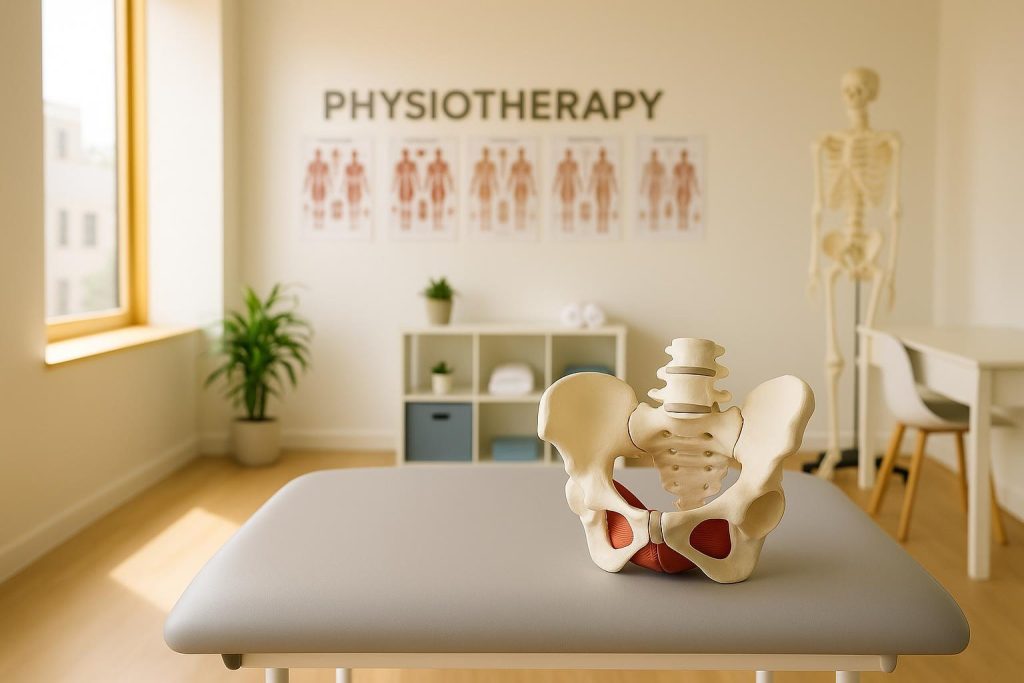
Understanding Pelvic Floor Physiotherapy Assessments
Pelvic floor physiotherapy is a specialized approach that focuses on improving the strength, flexibility, and function of the muscles located at the base of the pelvis. These muscles play a key role in supporting organs such as the bladder, uterus, and bowel. When they are weakened or imbalanced, people may experience issues like urinary incontinence, pelvic pain, or sexual dysfunction. A pelvic floor physiotherapy assessment helps you understand how these muscles are functioning and what steps can be taken to enhance your overall well-being.
What is Pelvic Floor Physiotherapy?
Pelvic floor physiotherapy is a branch of physiotherapy that zeroes in on the muscles, ligaments, and connective tissues of the pelvic region. It aims to address problems that arise from poor muscle control or from injuries related to pregnancy, childbirth, trauma, or general weakness. Because the pelvic floor muscles are integral to maintaining continence and supporting the spine, managing these issues with professional insight can yield real progress in both daily comfort and long-term health.
These sessions and assessments help you better understand your body, as qualified practitioners give you trusted guidance and employ a holistic, whole-person health view of your situation. If you struggle with chronic symptoms, the goal is to provide personalized care and an integrated approach for relief. Pelvic floor physiotherapy also supports individuals looking to enhance mental and physical wellness, offering compassionate care for a range of conditions.
Initial Consultation: Gathering Background and Setting Goals
A standard pelvic floor physiotherapy assessment typically begins with a thorough conversation. Your physiotherapist will ask about your medical history, current lifestyle, and any specific areas of discomfort. This conversation might include:
- Your primary symptoms, such as pelvic pain, urinary incontinence, or feelings of heaviness.
- Medical treatments or surgeries you have undergone in the past, especially those related to the pelvic area.
- Details about childbirth, including whether you have experienced labour pain or any complications before, during, or after delivery.
- Information about your exercise routine, daily activity, and work environment (if relevant to your condition).
- Lifestyle factors that might influence pelvic floor health, such as diet, fluid intake, or stress levels.
During this discussion, your therapist also aims to understand your personal goals. For example, you may want to strengthen your pelvic floor muscles to manage incontinence, reduce pelvic pain, or return to certain recreational activities. If you have concerns about postpartum recovery, you might explore how a pelvic floor physiotherapy assessment can work in tandem with other forms of support, including resources on labour pains and overall physiotherapy approaches.
The Physical Examination: Evaluating Muscle Function
After collecting essential background information, the physiotherapist proceeds with a physical examination. The physical exam is often split into two main components: an external and an internal assessment. Not everyone will require an internal assessment, especially if it is not indicated by your symptoms or if you are uncomfortable. However, many find that an internal assessment provides valuable data regarding the strength, coordination, and endurance of the pelvic floor muscles. It also helps uncover potential trigger points or tension areas that may be prolonging or intensifying discomfort.
External Assessment
During this part of the exam, the physiotherapist will first look at the alignment of your pelvis, hips, and lower back. They might observe how you stand, walk, and perform basic movements, like bending or squatting. This can shed light on imbalances or weaknesses that could be affecting your pelvic floor. Your therapist may also gently palpate the muscles around your hips and abdomen to detect tightness or tenderness. This process helps pinpoint any postural or muscular issues that might contribute to pelvic floor dysfunction. If you also have other pain points, like arthritic conditions in your hips or back, it can be helpful to address them in conjunction with pelvic floor exercises.
Internal Assessment
The internal portion of the assessment may involve an examination through the vaginal or rectal canal (depending on your specific situation and comfort level). This is the most direct way to evaluate the function of pelvic floor muscles. During this procedure, your physiotherapist may ask you to contract and relax these muscles, cough, or bear down to see how the muscles respond. The therapist can measure tension or weakness, evaluate endurance, and check for pain or tenderness inside the pelvic region.
It’s important to know that an internal assessment is only performed with your informed consent, and your comfort is paramount. The entire process should be explained step by step. You are encouraged to voice any questions or concerns, as open communication fosters a sense of trust and allows for a more accurate examination. Because many individuals feel anxious about this component, a good physiotherapist will create a safe and supportive environment to help you relax as much as possible. Rest assured, the goal is always to help you achieve recovery and performance while respecting personal boundaries.
How Pelvic Floor Assessments Address Common Concerns
Pelvic floor dysfunction can manifest in various ways. Some of the common concerns that an assessment can identify and help manage include:
- Urinary Incontinence: This may be stress incontinence (leaking urine during coughing or sneezing) or urge incontinence (sudden urge to urinate). Pelvic floor therapy can strengthen these muscles to reduce or eliminate leakage.
- Pelvic Organ Prolapse: Weakness in the pelvic floor muscles can contribute to a prolapse, where organs shift downward and cause discomfort or pressure. Early intervention and strengthening exercises can help prevent progression.
- Pelvic Pain: Chronic pelvic pain can stem from various sources, including muscle tension or nerve irritation. An assessment can identify muscular trigger points and guide a treatment plan that fosters real progress.
- Postpartum Recovery: After childbirth, especially if you have experienced tears or an episiotomy, your pelvic floor muscles could benefit from specialized attention to regain strength and flexibility. An assessment can outline clear steps to help with restoration.
- Sexual Dysfunction: Tension or pain in the pelvic region can interfere with sexual activity. By identifying the root causes, physiotherapists can develop a personalized care plan that addresses discomfort during intercourse.
Developing a Personalized Treatment Plan
Once the assessment is complete, your pelvic floor physiotherapist will create a treatment plan tailored to your unique needs and goals. The plan typically incorporates exercises, posture corrections, and lifestyle recommendations. Common exercises may include:
- Kegel Exercises: Targeted muscle contractions of the pelvic floor to build strength and grace. Performed correctly, they help support the bladder, uterus, and bowel.
- Hip and Core Strengthening: Exercises to stabilize surrounding muscles, like the abdominals and lower back. Improved core stability ensures the pelvic floor doesn’t bear all the strain.
- Relaxation and Stretching: For those with tension or discomfort, gentle stretches can alleviate tightness and help restore flexibility and balance across the pelvic floor region.
Your physiotherapist might also suggest additional therapeutic techniques, such as biofeedback, which uses sensors to measure muscle activity and teach proper contraction and relaxation. This helps you get a better sense of how to control the pelvic floor. If necessary, they may incorporate manual therapy to massage or mobilize tissues and reduce pain. In certain cases—such as when stress or anxiety contribute to pelvic floor problems—collaborating with mental health professionals (like psychologists) can round out an integrated approach.
Why an Integrated Approach Matters
Pelvic floor health is intimately connected with other systems in the body. Issues in the lower back, hips, or abdominal muscles can affect your pelvic floor’s ability to function at its best. Likewise, emotional or mental stress may lead to chronic muscle tension throughout the entire body, including the pelvic area. By viewing pelvic floor health as part of a bigger, whole-person health puzzle, practitioners can help you achieve better overall results.
An integrated approach highlights that pelvic floor physiotherapy can be part of a broader recovery plan that might include additional physiotherapy techniques, chiropractic care for spinal alignment, or massage therapy to ease tension in surrounding muscles. Each of these elements can complement one another, resulting in greater comfort, improved movement, and enhanced mental well-being.
Preparing for Your Assessment
Leading up to your appointment, it’s natural to feel some uncertainty. Here are a few tips to help you prepare:
- Wear comfortable, loose-fitting clothing to allow for accurate posture and movement evaluation.
- Arrive well-hydrated, but try not to drink excessive amounts of fluids immediately before the assessment, as you may be asked to empty your bladder.
- Keep a log of any troubling symptoms, including frequency, intensity, and what triggers each symptom. This helps your physiotherapist gain a clear picture of your condition.
- Try to relax and remember that the purpose of the assessment is to provide you with the best possible expert support. A positive mindset often translates into a more constructive session.
- Discuss any concerns, fears, or points of discomfort openly. Your therapist is there to listen, to plan carefully, and to create an environment of compassionate care.
Frequently Asked Questions
1. Is an internal exam always necessary?
No, it depends on your symptoms and comfort level. If an internal exam isn’t appropriate or if you prefer not to have one, the physiotherapist will focus on external assessment methods and tailor the approach accordingly.
2. How many sessions will I need?
The number of sessions varies based on individual goals and how quickly your body responds to treatment. Some people notice improvement within a few visits, while others benefit from regular check-ups over a few months. Your physiotherapist will provide an estimate once they understand your specific needs.
3. Can pelvic floor physiotherapy address reproductive health issues?
Yes, in particular, postpartum clients often experience pelvic floor dysfunction. Strengthening exercises and therapeutic techniques can facilitate postpartum healing, reduce risk of future complications, and promote a more active lifestyle. For guidance related to labour pains, you might find it beneficial to check out this resource on labour pain if that relates to your experience.
4. How can I maintain results after my treatment plan ends?
Consistency is key. Once you learn proper techniques, you can continue to perform targeted exercises at home. Maintaining a healthy lifestyle, managing stress, and staying physically active all contribute to preserving pelvic floor health.
Empowering Yourself for Better Pelvic Health
In summary, a pelvic floor physiotherapy assessment is a vital step toward understanding how your body functions and devising the right strategies to enhance your pelvic health. From incontinence and pelvic organ prolapse to sexual discomfort and postpartum challenges, a thorough examination can pinpoint the root causes of pelvic floor issues. Armed with this information, you and your physiotherapist can create a plan that promotes whole-person health, incorporating elements such as posture training, muscle strengthening, and stress management. By viewing pelvic floor physiotherapy as part of a larger, integrated approach, you can tackle any underlying factors that may be interfering with your overall well-being.
To learn more about how physiotherapy can be part of your journey to recovery and performance, consider connecting with a qualified professional who can offer trusted guidance on the next steps. Pelvic floor physiotherapy is about giving you the tools, confidence, and support needed to regain control over your body—empowering you to move forward with increased comfort and vitality.