Understanding How Massage Supports Rotator Cuff Injury Recovery
The rotator cuff is a set of muscles and tendons in your shoulder that allows you to lift, rotate, and stabilize your arm. Because of the constant demands placed on the shoulder, it is also one of the most vulnerable areas for injury. When the rotator cuff becomes strained or torn, you may experience pain, weakness, and reduced range of motion. Many people wonder if massage therapy can help support healing and recovery from a rotator cuff injury. In most cases, the answer is yes. Massage can complement a broader rehabilitation plan, promoting blood circulation, reducing muscle tension, easing pain, and supporting flexibility in the shoulder complex. But there’s more to it than just booking any massage. Below, we’ll explore why massage matters, how its techniques assist with rotator cuff injuries, and the steps you can take to ensure a safe path toward real progress. Whether you’re dealing with an acute injury or working through longer-term shoulder concerns, this guide aims to provide evidence-based insights and compassionate care suggestions.
Why Is the Rotator Cuff So Important?
Before diving into how massage therapy aids in healing, it’s helpful to understand what makes the rotator cuff special. The group of four muscles—supraspinatus, infraspinatus, teres minor, and subscapularis—works together to secure the shoulder joint. These muscles enable everyday movements, from reaching overhead to throwing a ball. If any part of this system is compromised, your overall shoulder function can suffer. It’s this delicate balance that makes rotator cuff injuries challenging to address. A small tear or strain in one tendon might cause significant discomfort, making even routine motions painful.
Common Causes and Symptoms of Rotator Cuff Injuries
Rotator cuff injuries may happen from:
- Overuse: Repeating the same shoulder motions—such as in certain sports or manual labor—can lead to gradual wear and tear.
- Trauma: A sudden fall or heavy impact can strain or tear the tendons and muscles.
- Poor Posture: Slouching or imbalance in the upper body can place extra stress on the shoulder, contributing to injury over time.
- Aging: Tendons can degenerate with age, making them more susceptible to tears.
When the rotator cuff is injured, you might notice pain when lifting your arm, clicking or popping sounds, weakness, or limited mobility. Chronic or persistent discomfort could indicate more significant damage. If you notice these symptoms, a thorough assessment from a licensed professional—like a physiotherapist—is highly recommended to determine the extent of the injury.
How Massage Therapy Helps Heal the Rotator Cuff
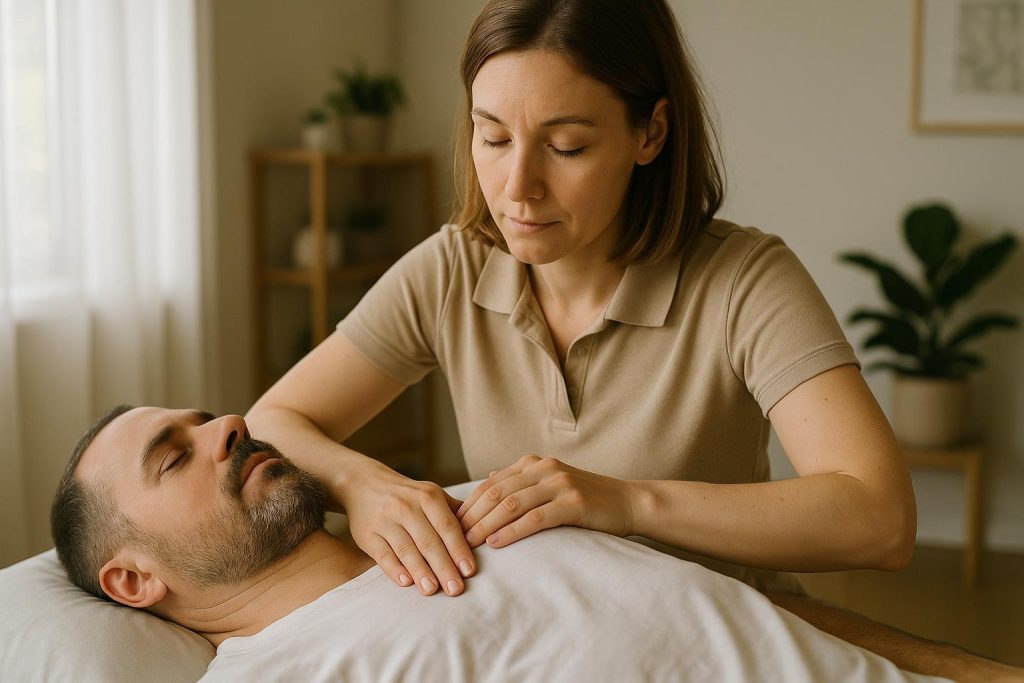
Massage therapy supports healing in many ways. From easing tension to helping boost natural circulation, it fosters an environment in which the shoulder tissues can repair themselves. Here are the key benefits:
- Improved Blood Flow: By increasing local circulation, therapeutic massage helps bring oxygen and nutrient-rich blood to the rotator cuff muscles. Better circulation can support recovery by removing metabolic waste and delivering the elements needed for tissue repair.
- Reduced Muscle Tension: Injuries often cause the surrounding muscles to stiffen as a protective response. Over time, tightness around the shoulder blade and upper back can place extra stress on the injured area. Gentle massage techniques ease tension so your rotator cuff doesn’t have to work as hard to compensate.
- Pain Relief: Massage is known for reducing pain signals by stimulating the release of endorphins, the body’s natural painkillers. This can be especially beneficial if you’re dealing with discomfort that hinders your progress in physical rehabilitation.
- Enhanced Flexibility: Limited range of motion is common with a rotator cuff injury. Specific techniques, like myofascial release, can help stretch and loosen adhesions in the connective tissue, supporting the return of normal mobility.
All of these positive changes support a whole-person health perspective—when your shoulder feels better, your overall sense of well-being often improves, too.
Massage Techniques for Rotator Cuff Injuries
While there are many massage styles available, some techniques are especially helpful for rotator cuff injuries. Below are a few of the most common approaches:
- Myofascial Release: This gentle but targeted approach focuses on the fascia, or the connective tissue surrounding muscles. A practitioner applies sustained pressure to help relax and lengthen these tissues, supporting flexibility across the shoulder.
- Swedish Massage: With flowing, relaxing strokes, Swedish massage is known for boosting circulation and alleviating stress. This method can calm the nervous system and help soothe tight muscles around the rotator cuff.
- Trigger Point Therapy: Trigger points are hyper-irritable spots in muscle tissue that can refer pain to other areas. In the shoulder region, releasing trigger points related to the rotator cuff can reduce local discomfort and restore better range of motion.
- Deep Tissue Techniques: For those with deeper muscle tension or chronic shoulder issues, deep tissue strokes can help break up adhesions. However, this must be done mindfully to prevent irritating any acute rotator cuff injuries.
The ideal approach depends on the extent of your injury, your tolerance for pressure, and any specific movement limitations. If your rotator cuff injury is more severe, it’s recommended that you consult a physical therapist or other healthcare provider before starting deep muscle work.
Working with Other Forms of Care
One of the keys to real progress in healing is often a personalized care plan that combines multiple types of therapy. While massage can make a significant difference, it usually works best as part of a broader approach, such as:
- Physiotherapy: Structured exercises and manual therapy can enhance shoulder function and encourage better mechanics. Consider integrating sessions with a Physiotherapy provider who can tailor exercises to your specific stage of recovery.
- Chiropractic Care: In cases where joint alignment or spinal posture needs correction, chiropractic treatments can relieve strain on the shoulder. This can help free up the rotator cuff to move more naturally.
- Rest and Activity Modification: Sometimes, rest is equally important. If you continue activities or sports that aggravate the injury, you can prolong recovery. Light movement and stretching—guided by trusted professionals—are often encouraged to maintain circulation and avoid stiffening.
- Nutritional Support and Lifestyle Changes: Incorporating a balanced diet, proper hydration, and prioritizing adequate sleep can support how your body rebuilds tissue. Small lifestyle adjustments can have a surprisingly large impact.
By integrating different modalities, you can address the factors contributing to a rotator cuff injury from various angles, increasing your chances of a faster, more complete recovery. It’s during this coordinated care that you’re likely to see consistent improvements—physically and mentally.
When Massage Might Not Be Helpful
While massage can be a strong ally in your healing process, there are scenarios where caution is advised. In the acute phase of any severe injury, an intense or improperly applied massage could worsen pain or tissue damage. If you suspect a major tear or bone fracture—or if you have significant swelling—consult a doctor or physiotherapist first.
Additionally, communicating openly with your massage therapist is essential. Be sure to mention any other health conditions or recent injuries so they can personalize your session. A skilled professional will know when to adjust pressure, switch technique, or advise you to pause therapy until you’ve healed more.
Gauging Progress: What to Expect Over Time
If you’re new to massage therapy for a rotator cuff injury, you might wonder when you’ll start to notice results. While everyone’s recovery looks a bit different, many people experience reduced pain and improved mobility within a few sessions, especially when combining massage with a broader plan. Over weeks or months, you may notice:
- Less Cramping and Tightness: The muscles around your shoulder may not seize up as easily.
- Better Range of Motion: You could find it easier to raise your arm overhead or rotate it behind your back.
- Lower Overall Inflammation: Massage can help calm excessive swelling or discomfort, especially after exercise.
- Greater Sense of Relaxation: A calmer nervous system often equals quicker tissue healing, thanks to efficient circulation and relieved tension.
That said, it’s crucial not to rush your recovery. Rotator cuff tissues need time to repair themselves. If you push too hard, too fast—especially in strenuous activities—you risk prolonging or worsening the injury. Aim for steady, balanced progress guided by trusted insight from your care team.
Self-Care Steps to Complement Massage
When dealing with any shoulder injury, including those involving the rotator cuff, the support you give yourself between appointments can make a big difference. Some self-care steps to consider are:
- Gentle Shoulder Exercises: Simple range-of-motion movements like pendulum swings or light stretches may keep your shoulder from getting stiff. Always follow professional guidance to avoid re-injury.
- Heat and Cold Therapy: Using a warm compress can relax muscles before a massage or exercise, while a cool compress afterward can reduce any lingering inflammation.
- Posture Awareness: Keep your shoulders relaxed and avoid slouching toward your desk or steering wheel. Sitting upright with proper back support can prevent further stress on the rotator cuff.
- Stress Management: The body’s healing mechanisms function better when you’re not chronically stressed. Engage in mindfulness techniques, breathe deeply, or consider speaking with a mental health professional for additional support.
Taking these steps reinforces the work done during sessions with your massage therapist or physiotherapist. By staying proactive, you empower yourself to make meaningful strides in your recovery and performance.
Collaborating with Your Healthcare Team
Collaboration is essential for meaningful progress. Your injury might respond best when professionals—such as your primary doctor, physical therapist, chiropractor, or massage therapist—share information and create a coordinated, integrated approach. If you’re managing multiple health concerns, a collaborative team can make sure that each treatment builds on the other. When everyone is on the same page, it’s easier for you to track improvements and make ongoing adjustments.
For instance, if a Massage Therapy session reveals tight muscles in a specific part of the shoulder, your physiotherapist can incorporate exercises to target that area. This synergy can lead to faster and more stable results. It’s also a helpful reminder that you are not alone in your journey. You have a network of expert support, offering personalized care to meet your individual needs. That’s the essence of a truly integrated approach.
Key Takeaways for Safe and Compassionate Care
Throughout your recovery, remember that sustainable healing isn’t about a one-size-fits-all method. It is about tailoring your treatment to what your body can handle, listening to professional insight, and making thoughtful decisions. Here are some critical points to keep in mind:
- Pace Yourself: Whether your rotator cuff injury stemmed from sports activity or daily tasks, pushing through pain can complicate the healing process.
- Stay Informed: Ask your healthcare providers about the rationale behind each technique or exercise. Understanding these details can help you stay committed and engaged in your treatment.
- Combine Modalities: Don’t rely solely on massage. Engage in physiotherapy exercises and follow any recommendations for chiropractic care as needed.
- Monitor Changes: Keep a simple log of your pain levels, mobility changes, and any new symptoms. This helps you and your therapists adapt your plan effectively.
Moving Forward with Confidence
Your shoulder deserves the best care possible. Massage therapy can be a highly effective part of a broader plan to address a rotator cuff injury. By focusing on improved blood circulation, targeted muscle relief, and enhanced flexibility, it provides a compassionate care element that addresses both physical discomfort and stress. Still, it’s important to remember that every person’s journey is unique. Progress may take time, and you may need a mix of strategies—ranging from rest and exercise to physiotherapy and regular check-ins with healthcare professionals—for true, long-lasting recovery. Trust your body’s signals and maintain open communication with your care team so that every step of your journey is supported by trusted guidance.
With an integrated approach to therapy, you can move beyond pain and return to the activities you enjoy. Whether you’re an athlete seeking peak performance or someone who simply wants to lift objects without wincing, massage therapy, bolstered by additional support from other healthcare services, can help you achieve meaningful results. Remember, real progress is often about steady gains, proactive self-care, and nurturing your overall well-being. If you’re ready to talk to a specialist or explore a personalized treatment plan, reach out to a qualified professional who truly understands the complexities of mental and physical wellness. This is one of the most reliable ways to experience the comprehensive relief and renewed confidence you need to move forward.