How Massage Therapy Can Ease Back Pain and Support Overall Well-Being
Back pain is something many people experience at some point in their lives. From the mild tension that builds after a stressful week to chronic discomfort that never seems to subside, the impact of back pain on daily living can be significant. One effective method for addressing this ongoing challenge is massage therapy. Massage isn’t just for relaxation or pampering; it can offer tangible benefits for your body’s musculoskeletal health, circulation, and stress levels. In this comprehensive overview, we’ll explore how massage therapy supports relief from back pain, how it works, the different techniques available, and the additional holistic factors that often contribute to a healthier, pain-free life. Our goal is to provide you with informed, compassionate care insights and to help you see how massage therapy might be an integral part of your journey toward better health.
Understanding Back Pain
Back pain can come in many forms. It might appear suddenly and intensely—often referred to as acute back pain—or it can develop gradually, becoming a chronic condition that persists for weeks, months, or longer. The pain can radiate along the spine, into the lower back, the mid-back, or even the neck and shoulders. People may feel lingering stiffness, sharp twinges, or throbbing aches that limit movement and reduce quality of life.
Causes of back pain are equally varied. Some individuals develop back pain after repetitive strain at work, such as lifting heavy objects or twisting the spine in awkward ways. Others might have unresolved tension from sports injuries, prior accidents, or misalignment in the spine. Stress and mental health can also play a role by causing muscles to become tighter and more prone to uncomfortable spasms. Additionally, underlying conditions like degenerative disc disease or other structural issues can lead to chronic discomfort.
At times, a single factor triggers the onset of back pain, but it’s more common for multiple elements to overlap. That’s why it’s often best to take an integrated approach—one that considers not just the site of discomfort but your overall physical and mental well-being.
The Science Behind Massage Therapy
Massage therapy works on multiple levels: physical, neurological, and even psychological. On the physical side, the targeted manipulation of soft tissues—muscles, tendons, and fascia—helps break up adhesions (areas where tissues stick together), increases blood flow, and promotes the distribution of oxygen and nutrients to tissues in need of repair. When a massage therapist uses methods such as long, gliding strokes or more focused pressure on a tight spot, the local circulation improves, helping reduce inflammation and letting muscles relax. This process can relieve the tension that often contributes to back pain.
Neurologically, massage can help stimulate the release of endorphins, which are often called “feel-good” hormones. These play a role in reducing pain signals that travel through the nervous system, leading to a lessening of discomfort. Massage also helps calm the stress response by encouraging parasympathetic nervous system activity—sometimes referred to as the “rest and digest” mode—slowing the heart rate, reducing blood pressure, and promoting a general sense of relaxation. This shift is important because chronic stress can make back pain worse by contributing to muscle tension and aggravation of inflammation.
On a psychological level, receiving massage can help individuals feel cared for and supported. This compassionate care can directly impact your mental well-being, offering relief not just from pain but also from the emotional and mental strain that can arise when you’re dealing with persistent discomfort. In the end, massage therapy supports both mental and physical wellness, helping people find real progress on their journey to recovery and performance. There is no single formula for success; rather, a qualified massage therapist will adapt treatments to your specific situation, aiming for meaningful results over a series of sessions.
Key Massage Techniques for Back Pain
Massage therapy is not a one-dimensional practice. Skilled therapists employ a range of techniques, each suitable for different conditions and comfort levels. Below are three common massage methods often recommended for back pain:
- Swedish Massage: This gentle form of massage therapy involves long, flowing strokes, circular motions, and gentle kneading of muscles. It’s known for promoting a deep sense of relaxation, improving circulation, and reducing overall tension. Swedish massage may be especially helpful if your back pain is accompanied by stiffness throughout the body or when stress and anxiety exacerbate discomfort.
- Deep Tissue Massage: True to its name, deep tissue massage focuses on the deeper layers of muscles, tendons, and connective tissue. Therapists use slower, more forceful strokes to target problem areas. Many people with chronic back pain caused by scar tissue or long-standing tightness benefit from deep tissue therapy. The objective here is not simply to relax muscles briefly but to achieve more lasting changes in muscle tone and tension patterns.
- Trigger Point Therapy: Trigger points are often described as “knots” in the muscles—localized spots that refer pain to other parts of the body. Our bodies can develop these trigger points through repetitive strain, poor posture, or injuries. A therapist skilled in trigger point therapy can apply precise pressure to release these knots, thereby relieving localized discomfort and reducing pain referral patterns. Many individuals find this approach helpful when dealing with specific trouble spots in the lower or upper back.
Of course, there are additional specialized techniques like prenatal massage (helpful for labor-related discomfort), sports massage for athletes, and myofascial release, among others. Your therapist will choose the most beneficial approach based on your needs and goals. Regardless of the method used, the overarching aim is to address muscle tension, enhance mobility, and promote overall tissue health so you can move more comfortably.
How Massage Therapy Contributes to Whole-Person Health
While the hands-on aspect of massage is key, it’s not the only reason to consider it for back pain relief. Massage therapy supports a whole-person health philosophy, helping you not just in one area but multiple facets of your daily functioning. Here are some additional ways it can contribute to your health journey:
- Mental and Physical Wellness: Chronic pain can lead to anxiety, depression, or a feeling of hopelessness. Massage therapy, through its soothing touch and release of endorphins, can help boost mood and provide relief from the stress that often accompanies persistent pain.
- Improved Circulation and Recovery: By increasing blood circulation, massage delivers nutrients and oxygen more efficiently to tissues. This can speed up the repair of sore muscles and encourage more rapid recovery from minor injuries that may be linked to back pain.
- Enhanced Flexibility: Stiff muscles can restrict your range of motion, worsening back discomfort. Massage therapy helps loosen up tight muscles and connective tissues, making it easier to perform daily tasks and engage in exercises that keep your spine healthy.
- Alignment and Posture Benefits: Tensions in your muscles can pull your body out of alignment. By easing those tensions, massage therapy may help you cultivate better posture. Combined with appropriate stretching and strengthening routines, massage supports a more balanced musculoskeletal framework.
- Stress Reduction: Stress affects not just your mind, but your entire body. When stress persists, your body produces higher levels of cortisol, a hormone that can increase the perception of pain. Massage therapy offers a pathway to lower stress hormone levels, giving you space to breathe and unwind.
Considerations for Integrating Massage into Your Back Pain Treatment Plan
Although massage therapy provides substantial benefits, it’s sensible to confirm if it’s the right path for your specific type of back pain. If you have a recent injury, pre-existing medical conditions, or severe symptoms like numbness, it’s essential to check in with a healthcare professional first. In certain cases, back pain can be a sign of something that needs additional treatment approaches, such as physiotherapy or chiropractic care.
Luckily, there are many complementary treatments for back pain you can combine with massage to create a personalized care plan. For instance, physiotherapy can add targeted exercise and manual therapy techniques to strengthen core muscles that support the spine. Similarly, chiropractic care works on proper spinal alignment by addressing any joint restrictions or misalignments that may contribute to your discomfort. Massage therapy fits seamlessly into these broader strategies, providing a more complete, integrated approach that considers your entire body and lifestyle.
In some situations, mental health also plays a significant role. Chronic pain can become a cycle: because you hurt, you feel stressed and anxious, which, in turn, can heighten your perception of pain. Breaking this cycle sometimes means including psychological support or counseling. If stress management or mental health is a priority, working with a trusted guidance counselor like a psychologist can be another step toward improving overall well-being.
What to Expect During a Massage Therapy Session
When you step into a massage therapy clinic for back pain, you can anticipate a calm, welcoming environment. Your massage therapist will likely start by asking about your medical history, current symptoms, and pain patterns. This discussion ensures the approach used is safe and effectively meets your needs.
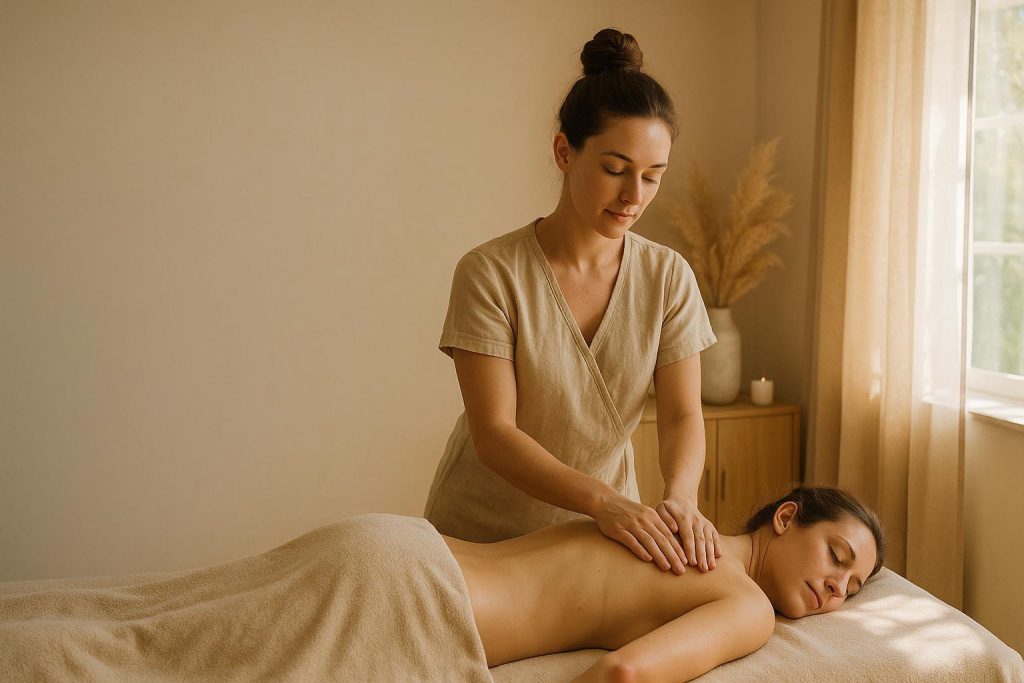
During the session, you’ll lie on a massage table, often under a sheet or blanket while your therapist works on identified areas of tension. Techniques vary in pressure and style. Make sure to communicate openly about what feels comfortable or if the pressure is too much. Massage therapy should not cause intense pain. Mild discomfort around tight areas is normal, but the experience should remain within your tolerance.
Upon completion, many people feel a sense of relief, both physical and mental. It’s normal to notice reduced muscle tension and an easier range of motion. You may also feel pleasantly fatigued, particularly after deep tissue work. Hydrating post-session helps your body flush out any toxins that might have been released from tight or blocked areas within the muscles.
Long-Term Benefits and Maintenance
While one massage session can offer short-term relief, consistent appointments may result in more lasting results—especially for those dealing with ongoing back pain. Over time, regular massage therapy can help your body maintain proper circulation, muscle health, and stress management. By actively addressing tightness before it becomes severe, you add a form of prevention to your lifestyle. This proactive approach reduces the likelihood of future flare-ups and helps you maintain real progress in your physical well-being.
Also, a stationary lifestyle or extended periods of desk work can exacerbate back pain. Incorporating periodic massages into your monthly or bi-monthly schedule helps counteract these negative influences, keeping discomfort at bay. Combining massage therapy with gentle stretching, core exercises, or yoga can further elevate your success, as you’re tackling the challenge from several angles.
An Integrated Approach to Recovery and Performance
Even though massage therapy excels at alleviating muscle tension and pain, the best approach to health is often an integrated one. By paying attention to mental and physical wellness, you build a resilient foundation for your body and mind. At times, addressing issues like poor posture or neglected muscle groups can have an enormous impact on comfort levels.
An integrated approach might include working with a massage therapist for soft tissue work, a physiotherapist for exercises and manual techniques, and possibly a chiropractor for alignment and posture correction. If the emotional burden of chronic pain is high or if there is significant stress, consulting a psychologist can offer expert support in managing the psychological aspects of discomfort.
This natural collaboration between different professionals enables you to receive professional insight and compassionate care all in one cohesive plan. It also eliminates the confusion of bouncing between providers with no unifying strategy. Because everyone on the team is focused on the same end goal—helping you feel, move, and live better—your path to whole-person health becomes clearer. This integrated approach is designed to help you experience genuine improvement in back pain symptoms and to foster a sense of progress and well-being that lasts.
Final Thoughts: Building a Path to Health
Massage therapy can be a pillar in your journey to address back pain. By guiding your muscles into a more relaxed state, promoting blood flow, and encouraging the release of feel-good hormones, massage goes beyond simple relaxation. It offers tangible relief from the tightness and aches that can hold you back in everyday life. Combined with other wellness practices—like proper exercise, stretching, good ergonomics, and stress management—it forms part of a powerful strategy for easing pain and reclaiming your freedom of movement.
Remember that each person’s situation is unique. If you have concerns about your back pain or want a treatment plan tailored to your lifestyle, reach out to a qualified healthcare provider. By recognizing the role that massage therapy can play, and considering it within a larger, integrated approach, you can move forward with confidence. Whether you’re seeking relief from a recent strain or managing a long-term condition, massage therapy holds promise and supports a brighter, more comfortable future for your back and overall well-being.