
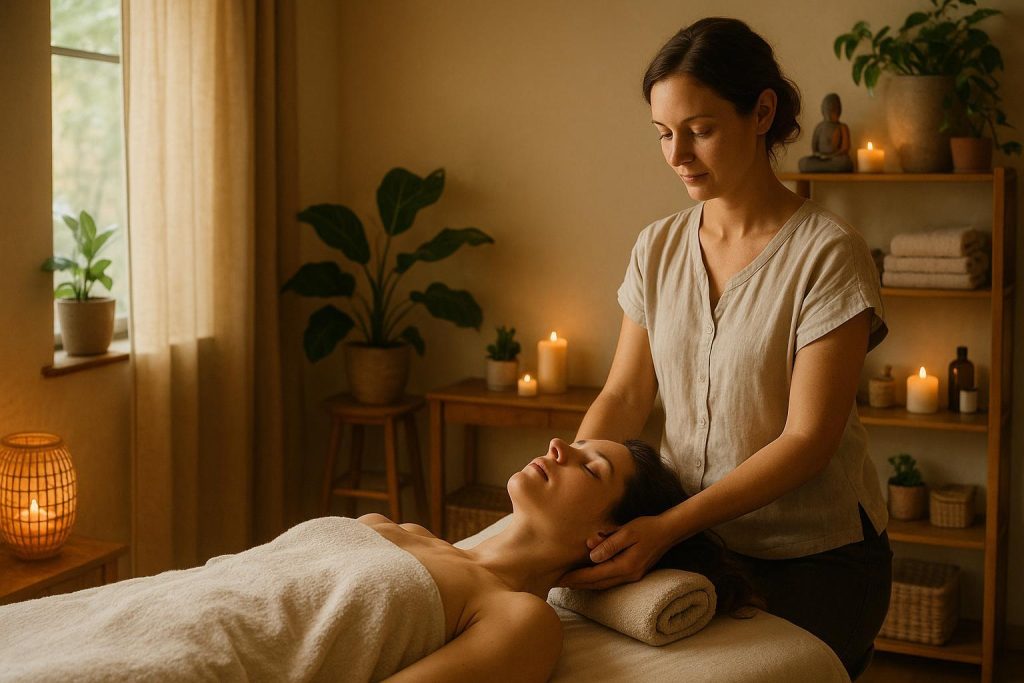
How Massage Therapy Can Help Relieve and Prevent a Kink in Your Neck
Dealing with a kink in your neck can be both painful and frustrating. Whether you woke up one morning unable to turn your head comfortably, or you developed tension after hours of working at a computer, a stiff neck can disrupt your daily life in more ways than one. Fortunately, massage therapy offers a gentle, natural way to ease discomfort and prevent future flare-ups. In this comprehensive guide, we’ll explain why these annoying neck kinks occur, how massage therapy can help relieve the pain, and what preventive steps you can take to maintain better neck health.
Understanding a Kink in the Neck
Let’s start by clarifying what a “kink in the neck” really is. Often, people use this term to describe a sudden pain or stiffness on one side of the neck, which makes it difficult or impossible to turn the head without discomfort. This stiffness, also known as an acute case of muscle strain or spasm, can arise from various factors:
- Muscle Tension: Stress, tight muscles, or poor posture can lead to knots and tension in your neck muscles, resulting in sudden discomfort.
- Excessive Strain: Overusing certain muscle groups—for instance, if you’ve been lifting heavy objects or spending hours bent over devices—can produce a kink in the neck.
- Sleeping Positions: A non-supportive pillow or an awkward sleeping position can cause you to wake up with a strain in your neck.
- Injury or Trauma: Even minor accidents or quick, jerking movements from sports or everyday activities can lead to a sudden neck kink.
Because our necks bear the weight of our heads and help us with countless movements, it’s no surprise that small misalignments can cause significant discomfort. Understanding the core causes of neck kinks, however, can guide you toward more effective treatments—and, ideally, prevention.
Why Massage Therapy Is Beneficial for Neck Kinks
Massage Therapy is a time-tested method for addressing tension, pain, and mobility issues in the muscles and soft tissues. When it comes to a kink in the neck, massage therapy can help in multiple ways:
- Reducing Muscle Tension: By applying gentle, targeted pressure to specific areas, a massage therapist can encourage tight muscles to relax. This relaxation often leads to immediate relief, increased blood flow, and a reduction in pain.
- Promoting Better Range of Motion: As the therapist loosens knots and tension, your neck can move more freely. This improved range of motion not only makes everyday tasks simpler but also reduces stress on other parts of your body.
- Facilitating Circulation: Massage encourages healthy blood flow, which delivers oxygen and nutrients to the affected tissues. With enhanced circulation, healing can accelerate, and you’re more likely to experience sustained relief.
- Alleviating Stress and Pain: Chronic stress can manifest physically, especially in the shoulders and neck. Massage not only works on a physical level but can also help calm the mind, reduce stress hormones, and promote overall relaxation.
- Supporting Posture Correction: Whether seated at a computer or standing for long periods, poor posture can trigger repeated neck strains. Massage can play a key role in helping you become more aware of posture-related issues by relieving tense areas and demonstrating where your neck might need more support.
Although massage therapy itself is a gentle, non-invasive treatment, it’s always wise to consult a healthcare provider if serious pain persists or if you suspect a more complex underlying issue. In many instances, however, regular massage sessions offer a practical path to both immediate relief and long-term maintenance of neck health.
Popular Massage Techniques for Neck Pain
The beauty of massage therapy lies in its variety of techniques. Different methods exist to target specific muscle concerns, address varying levels of pain, and generate optimal healing. Here are a few examples you might encounter when seeking relief from a kink in the neck:
- Swedish Massage: Often recommended for beginners, Swedish massage involves gentle, flowing strokes. While it might not be as intensive as other techniques, it’s an excellent choice for reducing general stress and tension.
- Deep Tissue Massage: This technique goes beyond the surface layers of muscle to release chronic tension. If your neck kink is moderate to severe, a deep tissue approach can help reach deeper problem areas. Essentially, your therapist uses firmer pressure and slower strokes to work out tight knots.
- Trigger Point Therapy: If a single spot in your neck feels like a hot point of pain, trigger point therapy might be ideal. The therapist applies direct pressure to these localized points of tension, then holds the pressure to allow the muscle to relax.
- Myofascial Release: Your muscles are wrapped in a web of connective tissues called fascia. Sometimes, restrictions in the fascia can create or worsen tightness. With myofascial release, the therapist gently stretches and loosens these tissues to restore mobility and minimize pain.
Not sure which technique is right for you? A professional massage therapist can guide you based on your specific needs, medical history, and pain points. Because bodies vary, a personalized approach is essential to ensuring your kink in the neck is treated effectively and compassionately.
Lifestyle Tips to Prevent Neck Kinks
While a single massage session or a series of treatments can help relieve your current pain, it’s also important to address daily habits and routines that may lead to regular neck strain. Below are some practical tips to prevent future neck kinks before they start:
- Optimize Your Workspace: Position your computer monitor at eye level so that you don’t have to bend your neck up or down for extended periods. Invest in an ergonomic chair that supports your lower back and helps you sit upright.
- Keep Moving: Set a timer to remind you to take short breaks every hour. During these breaks, stand, stretch, and roll your shoulders gently. Movement prevents your muscles from locking into a single position for too long.
- Pay Attention to Sleep Setup: Choose a pillow that properly supports the curve of your neck. The ideal pillow will keep your head in line with your spine rather than tilted too far up or down. If you’re a side sleeper, consider placing a small pillow between your knees to keep your spine aligned.
- Stay Hydrated: Drinking enough water is frequently overlooked, yet it plays a big role in muscle health. Dehydrated muscles are more prone to tightness, so aim to consume adequate water each day.
- Focus on Posture: Most people don’t realize how often they’re slouching. Practice good posture by keeping your shoulders back and down, chin level, and core engaged. Periodically checking your posture can help you build stronger, healthier habits.
- Practice Gentle Neck Stretches: Incorporate slow, controlled movements into your routine, such as tilting your neck from side to side or drawing small circles with your nose. This can help maintain flexibility and reduce tension buildup.
Adopting these preventive habits can reduce the risk of a kink in the neck becoming a regular annoyance. Over time, you’ll likely see improvements not only in your neck area but also in your overall sense of comfort and mobility.
When to Seek Additional Help
In many cases, a kink in the neck can be resolved with personalized care, including massage therapy and healthy lifestyle practices. However, there are times when it’s wise to consult a qualified healthcare provider for further evaluation:
- If neck pain persists for more than a few days or worsens.
- If you experience sudden numbness, tingling, or weakness in your arms or fingers.
- If neck discomfort significantly impairs your daily activities, such as driving or working.
- If you notice overlapping symptoms like severe headaches, nausea, or dizziness.
Persistent or severe symptoms could indicate underlying conditions, including issues in the spine or nerves, that require medical assessment. In these scenarios, working in collaboration with a professional is crucial to ensure proper diagnosis and treatment. A thorough medical evaluation can pinpoint the root cause of persistent neck problems and help you avoid complications later on.
Integrative Approaches for More Complex Issues
Although massage therapy alone often does the trick for routine neck stiffness, a kink in the neck can sometimes be part of a broader concern. In these cases, an integrated approach that combines different healthcare disciplines may be most effective:
- Physiotherapy: If you’re dealing with a recurring neck kink or pain that spreads to other areas, you might benefit from Physiotherapy. A physiotherapist may use targeted exercises, manual therapy, and exercise rehabilitation to address underlying posture problems, muscle weaknesses, or imbalances contributing to your neck pain.
- Chiropractic Care: For individuals with spinal alignment concerns or joint-related issues, Chiropractic treatments may offer relief. Gentle spinal adjustments can help restore proper function and diminish stress on muscles supporting the neck.
- Psychology and Stress Management: Stress is a known contributor to muscle tension, including knots in the neck. Taking care of mental and emotional well-being can help you avoid chronic tension. If stress plays a role in your neck pain, professional insight from a mental health expert can be extremely beneficial.
By embracing an integrative approach, you address not only the symptoms of a kink in the neck but also the range of physical and emotional factors contributing to it. Physical wellness often goes hand-in-hand with mental resilience, so a coordinated plan can lead to more complete and lasting progress.
How Often Should You Get a Massage?
Frequency varies based on personal health, lifestyle habits, and the severity of the neck strain. If you’re dealing with an acute kink, you might need a series of massage sessions over a few weeks. For chronic issues or ongoing tension, it can help to schedule regular appointments—such as once a month or every few weeks—to keep muscles relaxed. At the end of the day, the best approach is the one that helps you and your body respond positively, while also fitting into your schedule and budget.
Self-Care Between Massage Sessions
Recovery and performance are ongoing processes that don’t stop when you leave the massage table. Along with booking an appointment for expert support, consider these self-care ideas to help maintain a pain-free neck:
- Gentle Heat Therapy: Warm compresses and hot showers can relax tight muscles and enhance circulation. Many people find this especially soothing before bedtime.
- Mild Exercise Routines: Low-impact exercises such as yoga or short, gentle stretching sessions keep the neck and shoulder muscles limber. Make sure to avoid strenuous activities that cause discomfort or aggravate your kink.
- Mindful Breathing: Stress often intensifies neck pain. Taking a few minutes each day to breathe deeply and relax your shoulders can make a big difference in how you feel.
- Good Sleep Hygiene: A restful night’s sleep helps your muscles recuperate. Try to establish a consistent bedtime routine and ensure your sleeping environment supports a neutral neck position.
Most importantly, listen to your body. If you notice recurring signs of tightness or pain, it’s better to address them promptly rather than waiting for further complications.
Emphasizing Whole-Person Health
A kink in the neck is rarely an isolated problem. As part of a web of muscles, bones, and nerves, your neck depends on the health and alignment of the entire body. That’s why whole-person health is such a core concept. Whether you’re an athlete, a busy professional, or someone working through day-to-day mental and physical wellness challenges, focusing on general well-being can help ward off repeated injuries.
Massage therapy fits well into a holistic lifestyle. It encourages an integrated approach, blending relaxation and relief of muscular stress with the chance to reflect on any potential underlying issues—be it posture, daily habits, or stress levels. Over time, you might find that massage isn’t just about addressing a momentary kink; it’s about establishing healthier patterns of movement and stress management that benefit your entire body.
Final Thoughts
Neck kinks can be uncomfortable, but they don’t have to be a permanent fixture in your life. Massage therapy offers compassionate care and targeted techniques to ease tension, reduce pain, and improve your range of motion. Beyond the direct benefits to your muscles and joints, it can serve as a powerful reminder to slow down, tune in to your body’s needs, and invest in your own well-being.
If you have persistent neck pain or suspect deeper issues at work, seeking additional support—whether through Physiotherapy, Chiropractic, or even psychological guidance—can deliver more comprehensive results. Whether your next step involves a single massage session or a broader plan for whole-person health, caring for your neck is an investment in feeling and moving better every day. Remember to keep good posture, stay hydrated, and maintain an overall healthy lifestyle so you can continue doing the activities you love without pain or limitation. That’s the real progress that massage therapy and an integrated approach can provide.